Situated in the heart of Transylvania, Cluj-Napoca has become one of Romania’s most dynamic cities and an increasingly important destination for private jet travellers exploring the country’s historic interior. Often considered the unofficial capital of Transylvania, the city blends centuries of Central European history with a rapidly growing technology sector, vibrant university culture and expanding international business connections.
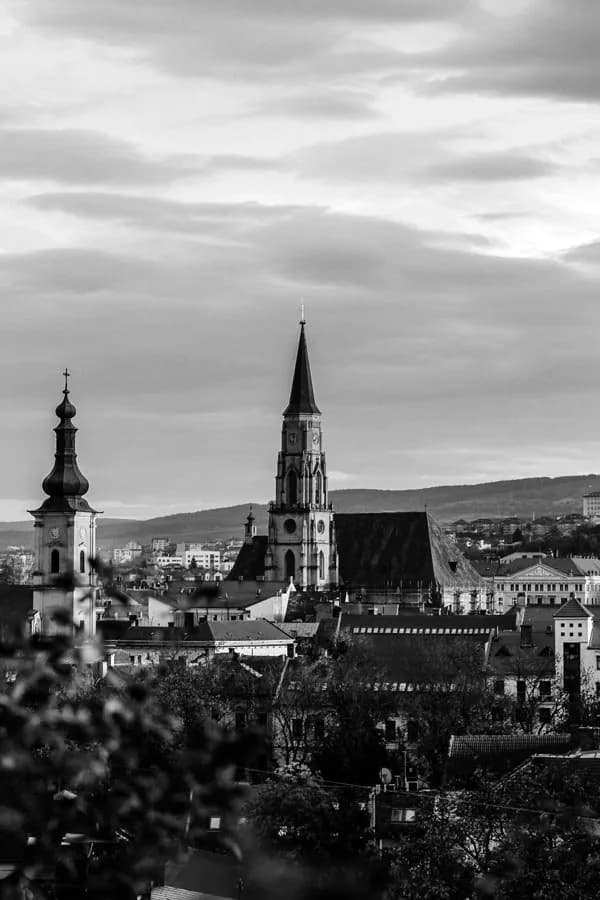
Cluj-Napoca sits on a broad plateau surrounded by the foothills of the Apuseni Mountains, giving the city a strategic position within north-western Romania. Its historic centre reflects the region’s Austro-Hungarian heritage, with elegant squares, Gothic churches and Baroque buildings that echo the city’s long role as an administrative and cultural hub of Transylvania.
Among the city’s most recognisable landmarks is St. Michael's Church Cluj-Napoca, a striking Gothic structure that dominates the main square and stands as one of the most important medieval churches in the region. Nearby, the lively cafés, galleries and cultural venues of the old town contribute to the city’s reputation as one of Romania’s most energetic urban centres.
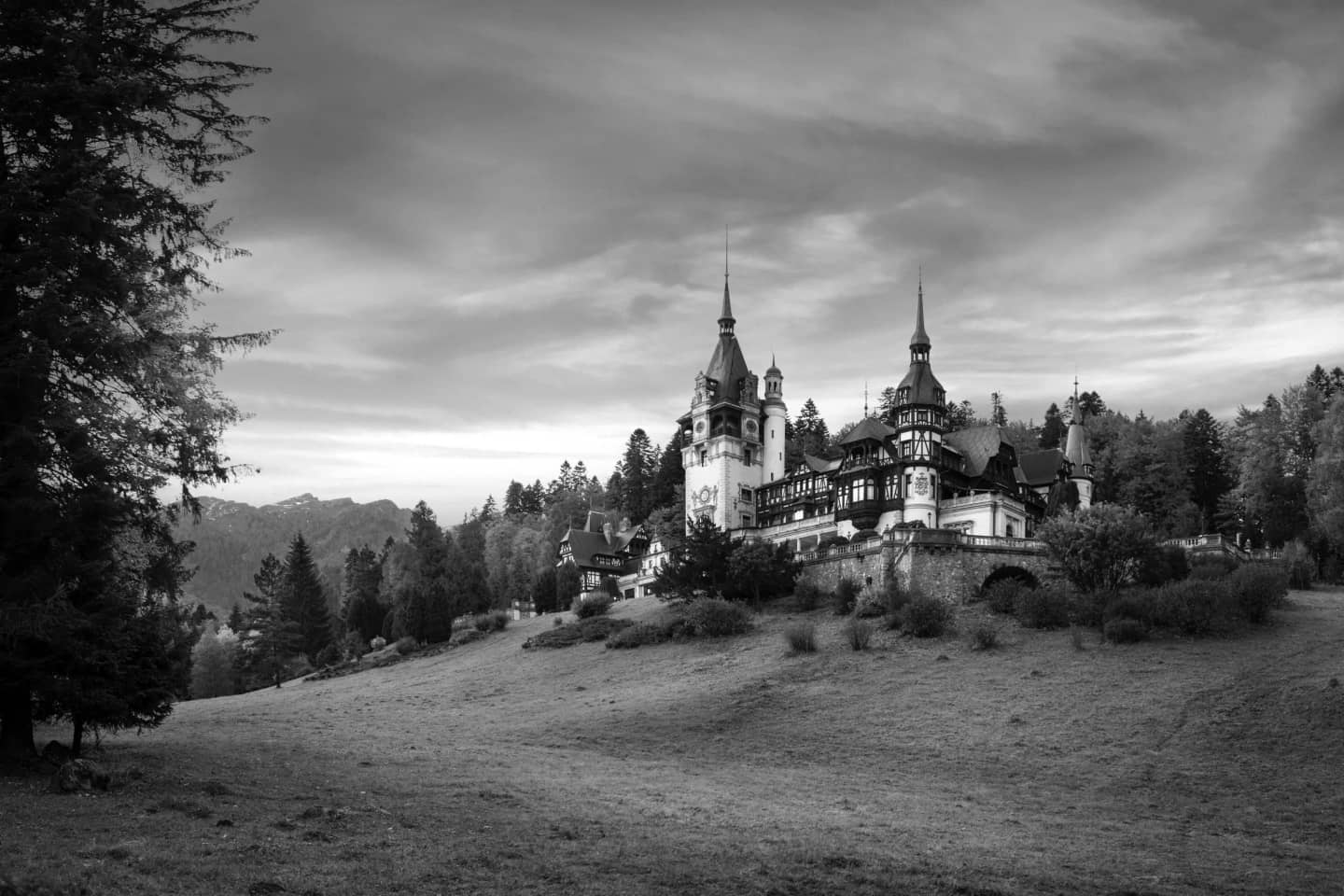
Beyond the city itself lies the wider region of Transylvania, an area famous for its medieval towns, mountain landscapes and folklore. Travellers arriving in Cluj can easily continue toward historic destinations such as Sibiu and Sighișoara, both known for their well-preserved Saxon architecture and cobbled streets.
The dramatic landscapes of the Carpathian Mountains also lie within reach, including scenic routes such as the Transfăgărășan Highway and alpine destinations like Bâlea Lake. These areas attract travellers seeking hiking, mountain scenery and winter sports in the colder months.
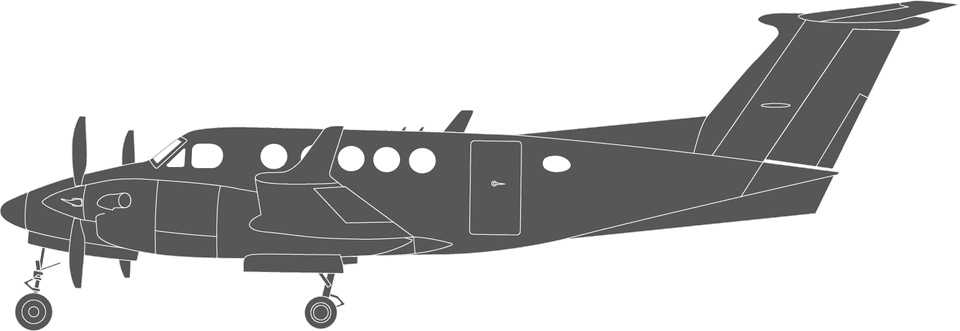
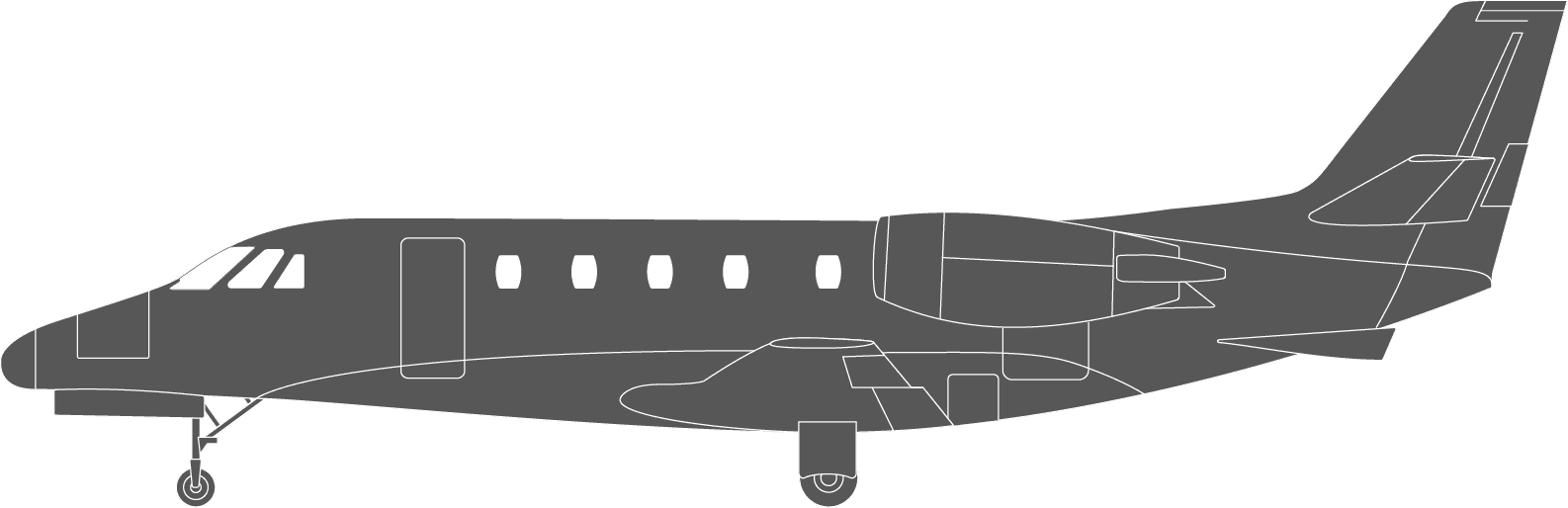
For private aviation travellers, Cluj-Napoca is served by Cluj International Airport, located just a few kilometres east of the city centre. The airport supports both scheduled airline services and business aviation flights, making it the principal air gateway to northern Transylvania.
Because of its growing role as a technology hub and its proximity to many of Romania’s most iconic landscapes and historic towns, Cluj-Napoca has become an increasingly attractive destination within private aviation networks operating across Eastern Europe.