
Paros

- Population
- 5k
- Timezone
- UTC +2
Private Jet Charter to and from Paros
Paros has become one of the most sought-after destinations in the Cyclades and an increasingly important stop on the private aviation map of the Aegean. Private jet charter to and from Paros connects the island with major European cities and neighbouring Greek islands, offering direct access to one of the most refined yet relaxed destinations in the Cyclades.
Located in the centre of the Cyclades archipelago, Paros sits between Mykonos, Naxos and Antiparos, making it a natural hub for island travel across the Aegean. The island has grown in popularity among travellers seeking the atmosphere of the Greek islands without the intensity of some of the region’s more crowded summer destinations.
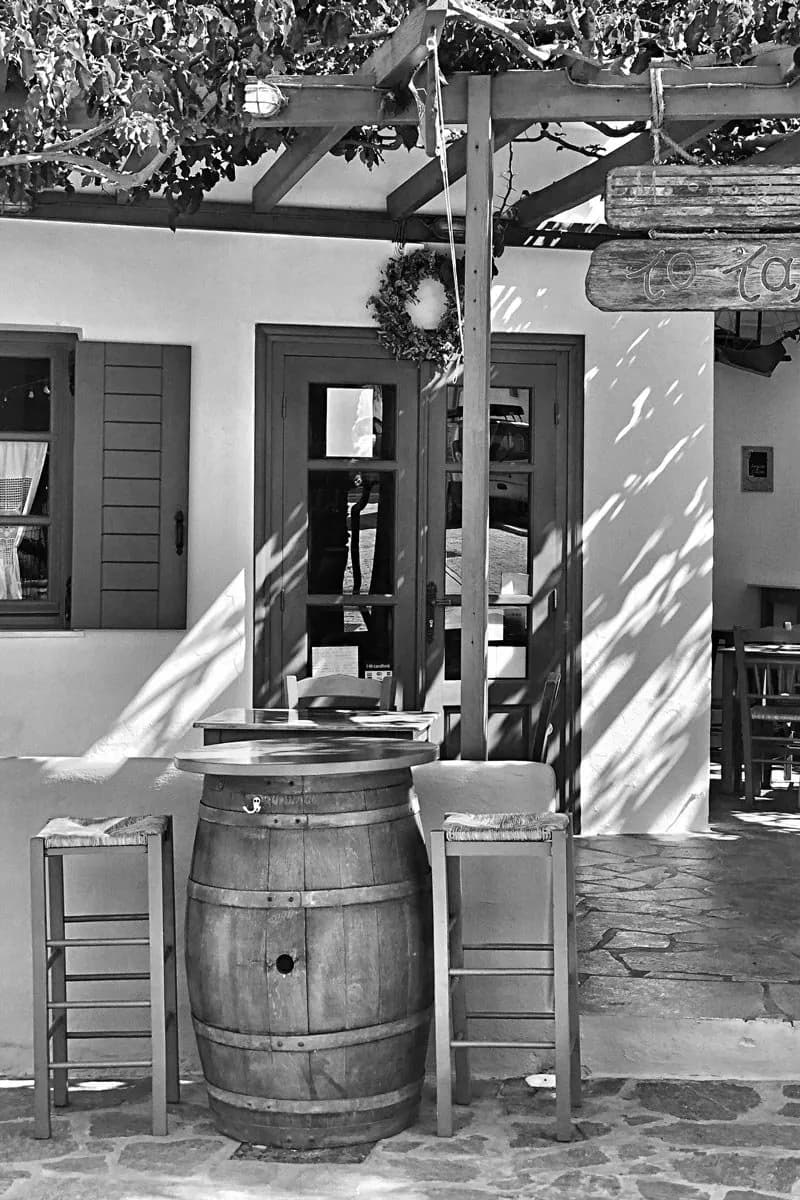
Parikia, the island’s capital and main port, lies on the western coast and serves as the gateway for most arrivals. Nearby Naoussa has developed into one of the most elegant harbour villages in the Cyclades, where traditional fishing boats sit alongside contemporary restaurants, boutique hotels and waterfront terraces overlooking the Aegean.
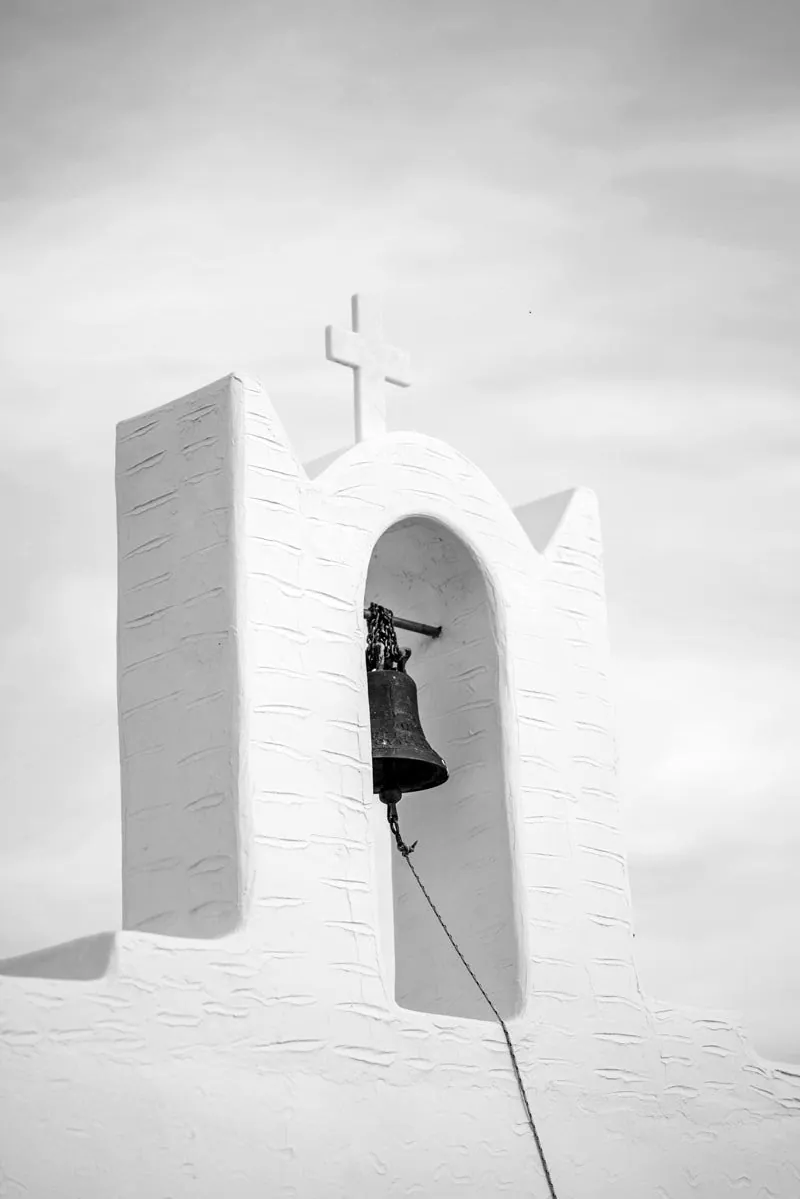
Despite its rising international profile, Paros retains the character that defines the Cyclades. Whitewashed villages, hillside chapels and winding stone streets remain central to the island’s landscape, while beaches such as Kolymbithres, Santa Maria and Golden Beach draw visitors throughout the summer months.
Paros also sits close to several important island destinations. Antiparos lies just across a narrow channel to the southwest, while Mykonos, Naxos and Santorini are all within easy reach across the Cyclades. Because of this central location, the island often forms part of wider travel itineraries that combine several destinations across the Aegean.
Private jet flights to and from Paros therefore provide efficient access to one of the Cyclades’ most desirable islands and an ideal base for exploring the wider Greek archipelago.


Airport Information
Paros is connected to the BLAK network. Private charter in and out of the area operates via the airports below.
IATA: ATHICAO: LGAV
37.9362° N23.9480° E
Athens International Airport, also known as Eleftherios Venizelos, is the primary aviation gateway for travellers flying to Paros from international destinations. Located on the Attica peninsula approximately 20 kilometres from central Athens, the airport handles the majority of long-haul private jet arrivals into Greece before passengers continue onward to the Cyclades.
Many intercontinental private jet flights route through Athens before continuing to Paros because Paros National Airport has operational limitations that restrict larger aircraft. Athens International Airport, by contrast, operates 24 hours a day and can accommodate the full range of business aircraft, including long-range private jets arriving from Europe, the Middle East and North America.
From Athens, travellers can continue to Paros by light jet, turboprop aircraft or helicopter. Private jet sectors between Athens and Paros typically take around 35 to 40 minutes, while helicopter transfers operate in roughly 45 minutes depending on conditions.
Because of this routing pattern, Athens functions as the main staging point for private aviation travel to Paros and the wider Cyclades. The airport’s modern infrastructure, reliable operations and extensive private aviation services make it the natural entry point for travellers heading to Paros from international destinations.
Handling Information
Signature Flight Support
80079 El. Venizelos, Athens (Athinai), 19019, Greece
- Runway Length
- 13,100 ft
- Operating Hours
- Upon Request
- Helicopter Transfers
- Available
- Ground Transfers
- Available
IATA: PASICAO: LGPA
37.0220° N25.1152° E
Paros National Airport serves as the primary aviation gateway to the island and supports private jet charter to and from Paros within the Cyclades. Located approximately 9 kilometres southwest of Parikia, the island’s capital and main port, the airport provides quick access to the principal towns, beaches and villa areas across Paros.
The airport opened at its current location in 2016, replacing the former Paros Airport which had far more limited infrastructure. The relocation introduced a significantly longer runway and improved facilities, allowing Paros to accommodate a broader range of aircraft and strengthening the island’s role within the Cyclades aviation network.
Today the airport supports turboprops, very light jets and a number of light and midsize business jets operating regional private flights across Greece and the eastern Mediterranean. However, due to runway length and operational constraints, Paros does not typically accommodate large long-range private jets. For this reason many intercontinental flights first arrive in Athens before continuing to Paros on a shorter sector better suited to the airport’s capabilities.
Paros Airport handles both scheduled domestic traffic and private aviation movements, with activity increasing significantly during the summer season as travellers move between islands across the Cyclades. Aircraft frequently operate short sectors linking Paros with Athens, Mykonos and Santorini.
As with many island airports in Greece, aircraft parking capacity is limited and operational planning may be required during peak summer periods when demand for flights across the Cyclades increases.
Once on the ground, the airport’s proximity to the island’s main areas makes onward travel straightforward. Parikia can typically be reached in around 15 minutes by car, while the harbour village of Naoussa and the neighbouring island of Antiparos are both within easy reach.
Handling Information
Goldair Handling
Paros National Airport, Paros, 84400, Greece
- Runway Length
- 4,500 ft
- Operating Hours
- Upon Request
- On-Site Café
- Available
- Ground Transfers
- Available
Frequently Asked Questions
The BLAK team answers the most common questions and covers the essentials for those thinking about flying to and from Paros.
Can large private jets land directly in Paros?
Not always. Paros National Airport has a relatively short runway compared with larger Greek airports, which means the airport is best suited to turboprops, very light jets and some light or midsize business jets. Larger long-range aircraft arriving from cities such as London, Dubai or New York usually land first in Athens before continuing to Paros on a shorter flight better suited to the airport’s runway length and operational profile.
How long does it take to fly from Athens to Paros by private jet?
Private jet flights between Athens and Paros typically take around 30 to 40 minutes depending on aircraft type and routing. This short sector makes Athens the natural aviation gateway for travellers arriving from international destinations before continuing onward into the Cyclades.
What types of private jets can land at Paros Airport?
Paros National Airport is best suited to turboprops, very light jets and a number of light or midsize business jets due to its runway length and operational limitations. Aircraft such as the Citation Mustang, Phenom 300 or Citation XLS can typically operate into Paros under favourable conditions. Larger long-range aircraft such as Gulfstreams or Global jets usually arrive first at Athens before continuing to Paros on a smaller aircraft better suited to the airport. Jet fuel availability on the island can also be limited, so many operators plan fuel uplift in Athens or another larger airport before flying to Paros.
Why do pilots enjoy flying into the Cyclades islands like Paros?
Flying into the Cyclades offers some of the most scenic approaches in the Mediterranean. As aircraft descend toward Paros, passengers and crew often see neighbouring islands such as Naxos, Antiparos and Mykonos scattered across the Aegean Sea. At the same time, island winds and shorter runways mean pilots must plan approaches carefully, which adds to the unique character of flying in the region.
Featured Destinations
Explore more of Europe by private charter. From the Mediterranean coast to the Alpine peaks, BLAK arranges flights to destinations across the continent.