Situated along the Vardar River in the centre of the Balkan Peninsula, Skopje serves as the primary aviation gateway to North Macedonia and an important operational point for private jet movements across southeastern Europe. Its geographic position between Central Europe, Greece and Turkey places Skopje within efficient flying distance of many major European cities, making it a practical destination for business aviation flights operating across the Balkan region.
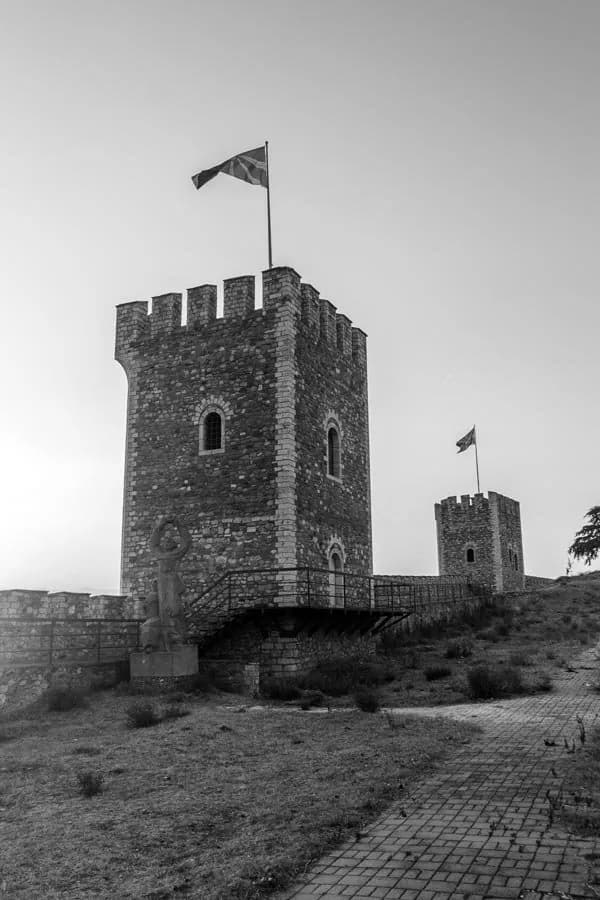
At the heart of the city stands the monumental statue associated with Alexander the Great, located in Macedonia Square and symbolising the country’s modern national identity. The surrounding city centre has undergone significant redevelopment in recent decades, with new bridges, government buildings and boulevards reshaping the skyline along the Vardar River.
Across the river lies one of the oldest parts of the city, the Old Bazaar Skopje, known locally as Čaršija. This historic district remains one of the largest surviving Ottoman marketplaces in the Balkans, with narrow stone streets, mosques and caravanserais that reflect centuries of regional trade and cultural exchange.
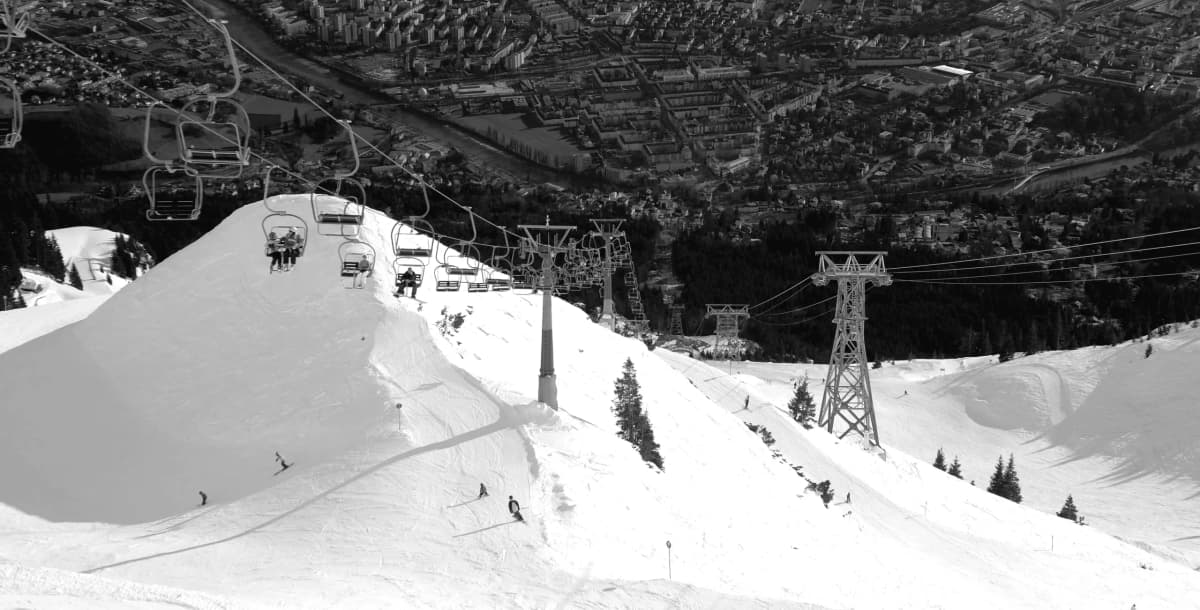
While Skopje itself is the political and economic centre of the country, its location also makes it a convenient starting point for reaching many of North Macedonia’s most notable landscapes. Mountain ranges rise in every direction from the capital, including peaks such as Solunska Glava in the Jakupica range. Within a few hours by road are destinations such as Mavrovo National Park, known for alpine terrain and winter sports, as well as the UNESCO-listed lakeside region surrounding Lake Ohrid.
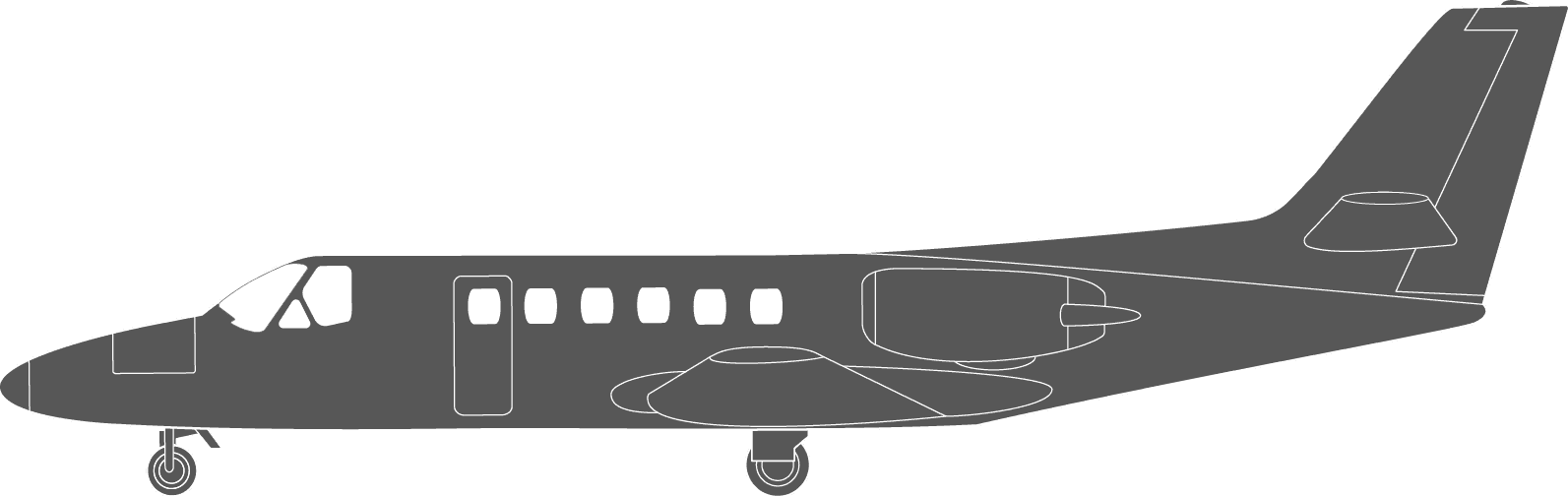
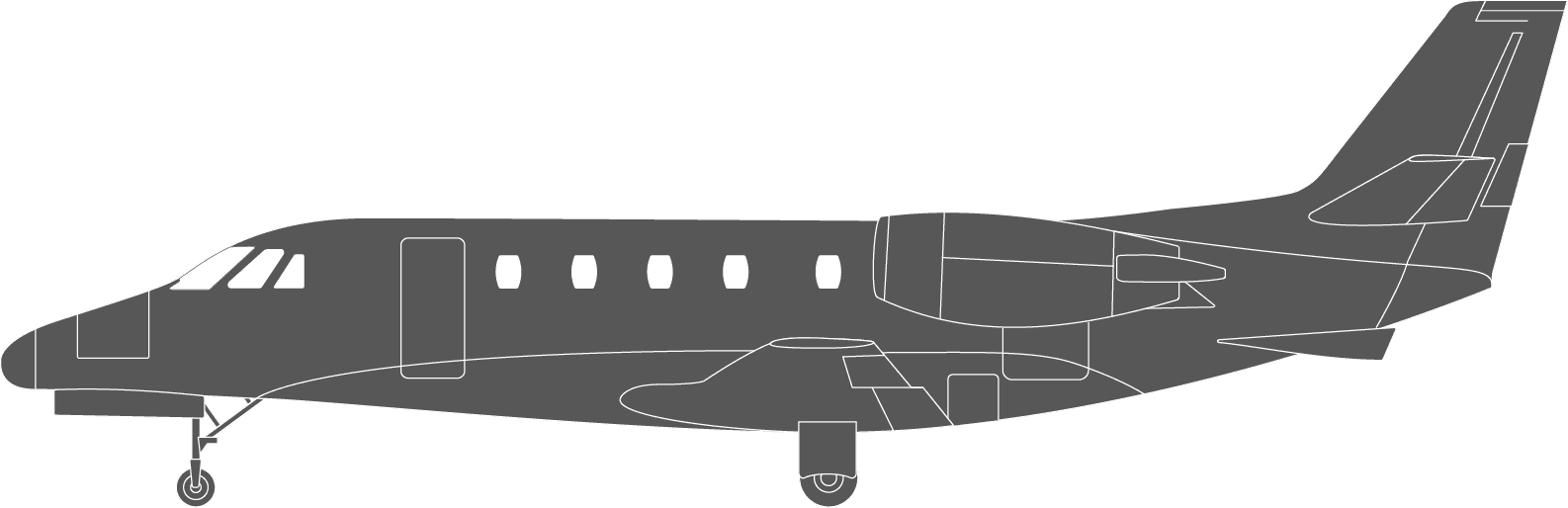
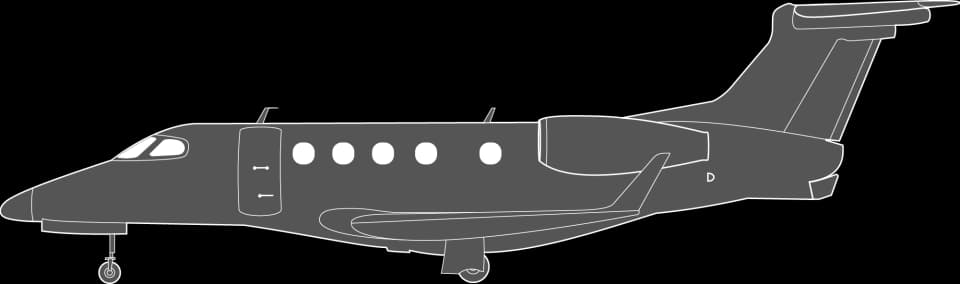
Private jet travellers typically arrive via Skopje International Airport, located approximately 20 kilometres southeast of the city centre. The airport operates a runway of approximately 2,950 metres (around 9,600 feet), allowing it to accommodate a full range of business aviation aircraft including large-cabin and ultra-long-range jets. Compared with many Balkan airports located in mountainous terrain, Skopje benefits from relatively open surrounding topography, which simplifies approach procedures and supports reliable year-round operations.
Because of its central position in the region and its ability to accommodate larger aircraft types, Skopje International Airport is frequently used by private aviation operators as both a destination airport and an operational hub for flights connecting the Balkans with Western Europe, the Middle East and the eastern Mediterranean.