


Private Jet Flights From Berlin to Riga
Berlin to Riga

Route Briefing
IATA: BERIATA: RIX
- Block Time
- 1h 30m
- Region
- Europe
- Distance
- 440 NM
- Charter From
- Berlin Brandenburg Airport
Private flights between Berlin and Riga typically take around 1 hour 30 minutes, linking Berlin Brandenburg Airport with Riga International Airport. A convenient route connecting Germany’s capital with Latvia’s capital for business travel, government visits and Baltic events.
Route Snapshot
- Departure
- Berlin Brandenburg Airport
- Alternate
- Slot Requirement
- Arrival
- Riga International Airport
- Aircraft Categories
- LightMidSuper-MidHeavy
- Status
- Customs
- Curfew ·BER
- FBO / handling
- Restrictions
- Curfew·RIX
- Check-in lead time
Airport Information
Berlin Brandenburg Airport
Berlin Brandenburg Airport serves as the primary gateway for private jet charter to and from the German capital. Located approximately 18 kilometres south-east of central Berlin near Schönefeld, the airport consolidated Berlin’s aviation infrastructure following the closure of Tegel and the integration of the former Schönefeld facilities. Today it handles the majority of commercial airline and private aircraft movements serving Berlin and the wider Brandenburg region.
From an operational perspective, the airport is capable of accommodating the full spectrum of business aviation aircraft. Turboprops, light jets and midsize business jets frequently operate short and medium range routes across Europe, while the airport’s long runways are also suitable for large cabin and long-range aircraft arriving from North America, the Middle East and parts of Asia when required. This flexibility allows private jet travellers to connect Berlin directly with many of Europe’s major financial and diplomatic centres.
Berlin Brandenburg is a slot-coordinated airport, meaning arrival and departure slots must be requested in advance for both commercial and private aircraft movements. While slot availability is generally manageable compared with more congested European aviation hubs, demand can increase during major political summits, international trade fairs and global conferences regularly hosted in the German capital.
The airport also operates under a strict night curfew between 00:00 and 05:00 local time, with additional movement limits in the late evening and early morning periods between 23:00 and midnight and again between 05:00 and 06:00. These restrictions are enforced closely, meaning private jet arrivals scheduled close to midnight require careful planning to avoid potential delays or diversion.
Private jet passengers typically use dedicated general aviation handling services separate from the main airline terminals. Transfer times to central districts such as Mitte, the government quarter around the Reichstag and the Brandenburg Gate generally range from 30 to 40 minutes depending on traffic, making Berlin Brandenburg the practical aviation entry point for private flights to and from the German capital.
Handling Information
ExecuJet Europe
General Aviation Terminal, Georg-Wulf-Strasse 3, Berlin, D-12529, Germany
- Runway Length
- 13,100 ft
- Operating Hours
- 24/7 (Night Limits)
- FBO Lounge
- Available
- Ground Transfers
- Available
Schönhagen Airport
Schönhagen Airport is one of the principal general aviation airfields serving the Berlin region. Located approximately 24 kilometres south of the city near Trebbin in Brandenburg, the airport sits outside the main airline traffic environment of Berlin Brandenburg and operates primarily as a hub for private aviation, flight training and specialised aviation services.
The airfield plays an important role in the wider Berlin aviation ecosystem. While Berlin Brandenburg Airport handles the majority of commercial airline traffic and larger business jet operations, Schönhagen provides infrastructure specifically geared towards general aviation. This makes it a practical base for privately operated aircraft, charter turboprops and smaller business jets operating regional routes within Germany and neighbouring European countries.
Runway length and airport infrastructure mean that the airfield is generally suited to turboprops, piston aircraft and very light jets rather than larger midsize or long-range business aircraft. Operators flying aircraft in these categories typically use Berlin Brandenburg Airport, which offers the runway length and handling capability required for larger jets.
Because Schönhagen operates outside the commercial airline environment, it can offer a quieter and more flexible operating environment for smaller aircraft movements. Transfer times to central Berlin typically range from around 40 to 50 minutes by road, depending on traffic conditions and final destination within the city.
Within Germany’s general aviation network, Schönhagen is well known as one of the key GA airfields supporting private aviation activity in the greater Berlin region.
Handling Information
Flugplatzgesellschaft Schönhagen mbH
Flugplatz Schönhagen, 14547 Trebbin, Brandenburg, Germany
- Runway Length
- 3,900 ft
- Operating Hours
- Daily 08:00 – Sunset (local time)
- Helicopter Transfers
- Available
- Ground Transfers
- Available
Strausberg Airport
Strausberg Airport is a smaller regional aerodrome located approximately 35 kilometres east of central Berlin in the Brandenburg district of Märkisch-Oderland. The airport operates primarily as a general aviation airfield supporting private aircraft, flight training and regional aviation activity within the Berlin metropolitan area.
The airfield features a paved runway of approximately 1,200 metres, making it suitable for piston aircraft, turboprops and some very light jets operating shorter routes within Germany and neighbouring European countries. Larger business jets and long-range aircraft typically use Berlin Brandenburg Airport due to runway length and infrastructure requirements.
Strausberg sits outside the main commercial air traffic environment of Berlin Brandenburg, which can make it a quieter option for smaller private aircraft. Road transfers to central districts of Berlin generally take around 45 to 55 minutes depending on traffic and final destination within the city.
Handling Information
Flugplatz Strausberg Betriebs GmbH
Flugplatz Strausberg, 15344 Strausberg, Brandenburg, Germany
- Runway Length
- 3,900 ft
- Operating Hours
- 08:00 – Sunset (local time)
- Helicopter Transfers
- Available
- Ground Transfers
- Available
Berlin Brandenburg Airport
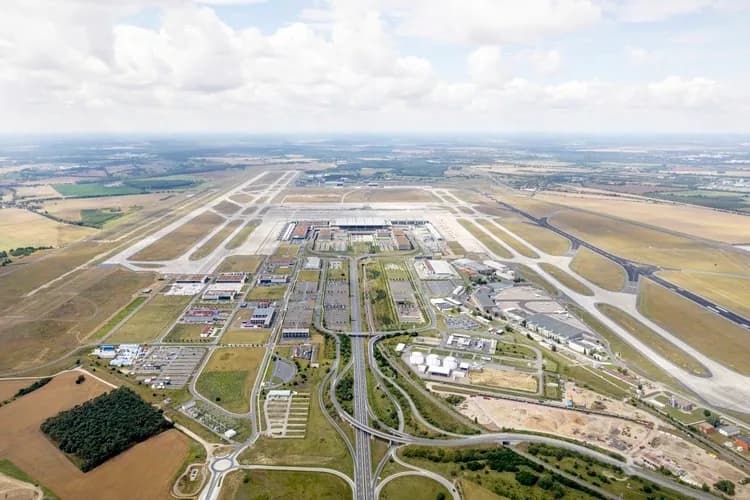
Berlin Brandenburg Airport serves as the primary gateway for private jet charter to and from the German capital. Located approximately 18 kilometres south-east of central Berlin near Schönefeld, the airport consolidated Berlin’s aviation infrastructure following the closure of Tegel and the integration of the former Schönefeld facilities. Today it handles the majority of commercial airline and private aircraft movements serving Berlin and the wider Brandenburg region.
From an operational perspective, the airport is capable of accommodating the full spectrum of business aviation aircraft. Turboprops, light jets and midsize business jets frequently operate short and medium range routes across Europe, while the airport’s long runways are also suitable for large cabin and long-range aircraft arriving from North America, the Middle East and parts of Asia when required. This flexibility allows private jet travellers to connect Berlin directly with many of Europe’s major financial and diplomatic centres.
Berlin Brandenburg is a slot-coordinated airport, meaning arrival and departure slots must be requested in advance for both commercial and private aircraft movements. While slot availability is generally manageable compared with more congested European aviation hubs, demand can increase during major political summits, international trade fairs and global conferences regularly hosted in the German capital.
The airport also operates under a strict night curfew between 00:00 and 05:00 local time, with additional movement limits in the late evening and early morning periods between 23:00 and midnight and again between 05:00 and 06:00. These restrictions are enforced closely, meaning private jet arrivals scheduled close to midnight require careful planning to avoid potential delays or diversion.
Private jet passengers typically use dedicated general aviation handling services separate from the main airline terminals. Transfer times to central districts such as Mitte, the government quarter around the Reichstag and the Brandenburg Gate generally range from 30 to 40 minutes depending on traffic, making Berlin Brandenburg the practical aviation entry point for private flights to and from the German capital.
Handling Information
ExecuJet Europe
General Aviation Terminal, Georg-Wulf-Strasse 3, Berlin, D-12529, Germany
- Runway Length
- 13,100 ft
- Operating Hours
- 24/7 (Night Limits)
- FBO Lounge
- Available
- Ground Transfers
- Available
Schönhagen Airport
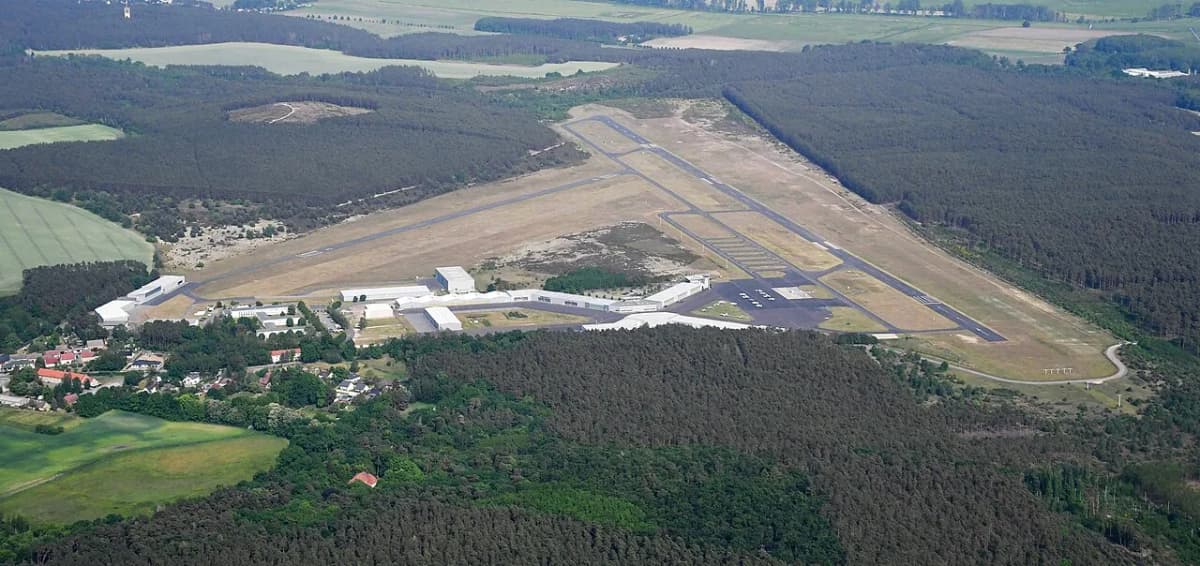
Schönhagen Airport is one of the principal general aviation airfields serving the Berlin region. Located approximately 24 kilometres south of the city near Trebbin in Brandenburg, the airport sits outside the main airline traffic environment of Berlin Brandenburg and operates primarily as a hub for private aviation, flight training and specialised aviation services.
The airfield plays an important role in the wider Berlin aviation ecosystem. While Berlin Brandenburg Airport handles the majority of commercial airline traffic and larger business jet operations, Schönhagen provides infrastructure specifically geared towards general aviation. This makes it a practical base for privately operated aircraft, charter turboprops and smaller business jets operating regional routes within Germany and neighbouring European countries.
Runway length and airport infrastructure mean that the airfield is generally suited to turboprops, piston aircraft and very light jets rather than larger midsize or long-range business aircraft. Operators flying aircraft in these categories typically use Berlin Brandenburg Airport, which offers the runway length and handling capability required for larger jets.
Because Schönhagen operates outside the commercial airline environment, it can offer a quieter and more flexible operating environment for smaller aircraft movements. Transfer times to central Berlin typically range from around 40 to 50 minutes by road, depending on traffic conditions and final destination within the city.
Within Germany’s general aviation network, Schönhagen is well known as one of the key GA airfields supporting private aviation activity in the greater Berlin region.
Handling Information
Flugplatzgesellschaft Schönhagen mbH
Flugplatz Schönhagen, 14547 Trebbin, Brandenburg, Germany
- Runway Length
- 3,900 ft
- Operating Hours
- Daily 08:00 – Sunset (local time)
- Helicopter Transfers
- Available
- Ground Transfers
- Available
Strausberg Airport
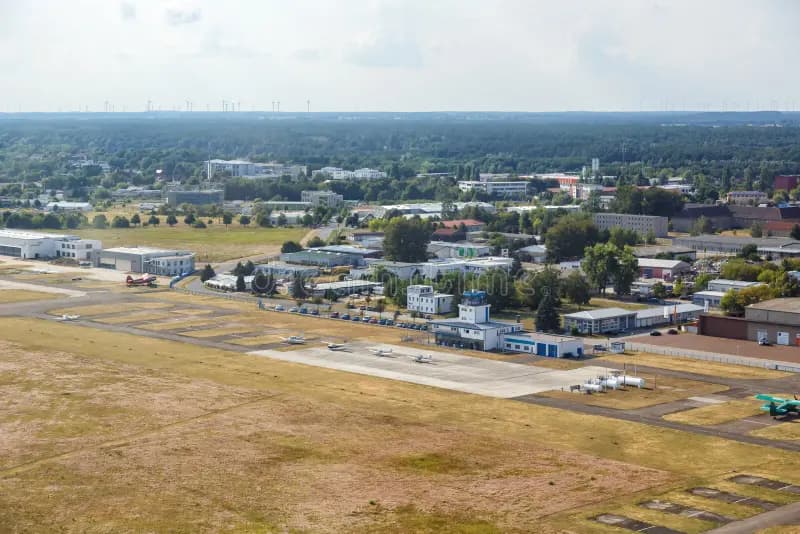
Strausberg Airport is a smaller regional aerodrome located approximately 35 kilometres east of central Berlin in the Brandenburg district of Märkisch-Oderland. The airport operates primarily as a general aviation airfield supporting private aircraft, flight training and regional aviation activity within the Berlin metropolitan area.
The airfield features a paved runway of approximately 1,200 metres, making it suitable for piston aircraft, turboprops and some very light jets operating shorter routes within Germany and neighbouring European countries. Larger business jets and long-range aircraft typically use Berlin Brandenburg Airport due to runway length and infrastructure requirements.
Strausberg sits outside the main commercial air traffic environment of Berlin Brandenburg, which can make it a quieter option for smaller private aircraft. Road transfers to central districts of Berlin generally take around 45 to 55 minutes depending on traffic and final destination within the city.
Handling Information
Flugplatz Strausberg Betriebs GmbH
Flugplatz Strausberg, 15344 Strausberg, Brandenburg, Germany
- Runway Length
- 3,900 ft
- Operating Hours
- 08:00 – Sunset (local time)
- Helicopter Transfers
- Available
- Ground Transfers
- Available
Riga International Airport
Riga International Airport is the main aviation gateway to Latvia and the largest airport in the Baltic region, located approximately 10 kilometres west of Riga’s historic centre. The airport serves as an important hub for both commercial aviation and business aviation traffic across Northern Europe, handling flights linking the Baltics with Scandinavia, Central Europe and wider international destinations.
The airport operates a single primary runway measuring approximately 3,200 metres, allowing it to accommodate the full spectrum of business aviation aircraft, from turboprops and light jets such as the Citation Mustang or Phenom 100 through to large-cabin aircraft including the Gulfstream G650 and Global 6000. Its runway length and modern infrastructure make it one of the most capable private aviation airports in the Baltic region, particularly for long-range aircraft operating direct sectors across Europe or onward intercontinental routes.
Operational reliability is one of the airport’s notable advantages. Riga is equipped with a Category IIIb Instrument Landing System, allowing aircraft to operate in extremely low visibility conditions that can affect other airports in the region during winter months. This capability helps maintain flight operations during periods of fog, snowfall and reduced visibility, which are common weather factors across Northern Europe.
From an operational standpoint, Riga International Airport generally offers efficient ground handling and relatively flexible slot availability compared with more congested European capitals. Dedicated business aviation services are available for private jet movements, including aircraft refuelling, technical support, de-icing during winter operations and passenger handling facilities. The airport’s proximity to the city centre also allows travellers arriving by private jet to reach Riga’s Old Town, business districts and coastal resorts such as Jūrmala within a short drive after landing.
Handling Information
Baltic Ground Services
Riga International Airport, Lidosta Riga, Mārupes novads LV-1053, Latvia
- Runway Length
- 10,500 ft
- Operating Hours
- 24/7
- Wi-Fi
- Available
- Ground Transfers
- Available
Riga International Airport
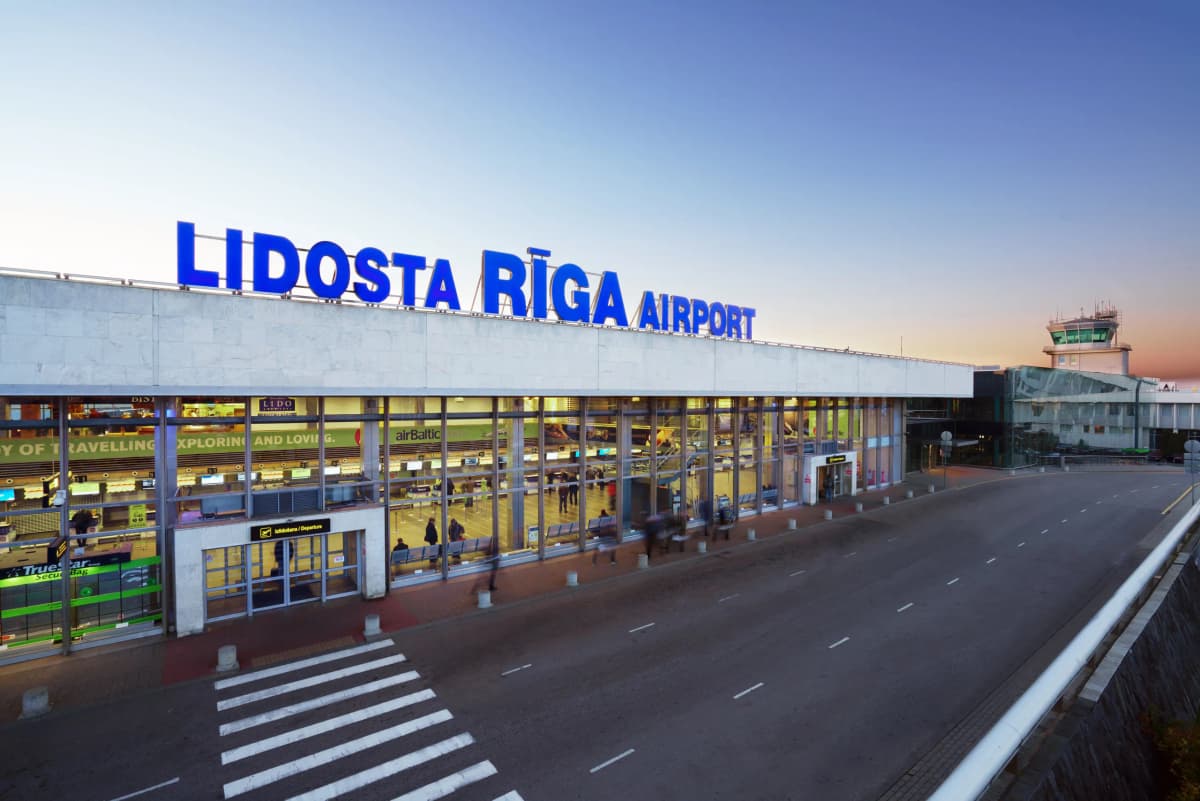
Riga International Airport is the main aviation gateway to Latvia and the largest airport in the Baltic region, located approximately 10 kilometres west of Riga’s historic centre. The airport serves as an important hub for both commercial aviation and business aviation traffic across Northern Europe, handling flights linking the Baltics with Scandinavia, Central Europe and wider international destinations.
The airport operates a single primary runway measuring approximately 3,200 metres, allowing it to accommodate the full spectrum of business aviation aircraft, from turboprops and light jets such as the Citation Mustang or Phenom 100 through to large-cabin aircraft including the Gulfstream G650 and Global 6000. Its runway length and modern infrastructure make it one of the most capable private aviation airports in the Baltic region, particularly for long-range aircraft operating direct sectors across Europe or onward intercontinental routes.
Operational reliability is one of the airport’s notable advantages. Riga is equipped with a Category IIIb Instrument Landing System, allowing aircraft to operate in extremely low visibility conditions that can affect other airports in the region during winter months. This capability helps maintain flight operations during periods of fog, snowfall and reduced visibility, which are common weather factors across Northern Europe.
From an operational standpoint, Riga International Airport generally offers efficient ground handling and relatively flexible slot availability compared with more congested European capitals. Dedicated business aviation services are available for private jet movements, including aircraft refuelling, technical support, de-icing during winter operations and passenger handling facilities. The airport’s proximity to the city centre also allows travellers arriving by private jet to reach Riga’s Old Town, business districts and coastal resorts such as Jūrmala within a short drive after landing.
Handling Information
Baltic Ground Services
Riga International Airport, Lidosta Riga, Mārupes novads LV-1053, Latvia
- Runway Length
- 10,500 ft
- Operating Hours
- 24/7
- Wi-Fi
- Available
- Ground Transfers
- Available
Frequently Asked Questions
The BLAK team answers the most common questions and covers the essentials for those thinking about flying to and from Riga.
Can private jets fly directly from Riga to the Middle East?
Yes. Large-cabin business jets such as the Gulfstream G650, Falcon 7X and Global 6000 are capable of operating nonstop routes between Riga and destinations such as Dubai, Doha or Abu Dhabi depending on payload and weather conditions. Riga’s long runway and modern infrastructure make it well suited to these longer-range private aviation sectors.
What types of private aircraft are commonly used for flights to Riga?
Flights to Riga are typically operated by a wide range of business aircraft depending on the route. Regional flights from nearby European cities often use aircraft such as the Citation CJ3+, Phenom 300 or Pilatus PC-12, while longer European routes may use midsize jets like the Citation XLS+ or Praetor 500. Intercontinental travellers frequently arrive on large-cabin aircraft such as the Global 6000 or Gulfstream G650.
Can private jets operate to Riga late at night?
Yes. Riga International Airport generally supports 24-hour operations, which means private jets can arrive or depart outside typical commercial airline schedules. This flexibility is particularly useful for business aviation travellers operating tight itineraries across Europe or positioning aircraft for early morning departures to other destinations.
Does Riga experience significant winter operational delays?
Winter weather in the Baltic region can bring snowfall and low visibility, but Riga International Airport is well equipped to handle these conditions. The airport’s Category IIIb instrument landing system allows aircraft to operate in very low visibility, while dedicated de-icing infrastructure ensures aircraft can depart safely even during heavy winter weather.