


Private Jet Flights From Istanbul to Nis
Istanbul to Nis

Route Briefing
IATA: ISTIATA: INI
- Block Time
- 1h 10m
- Region
- Europe
- Distance
- 400 NM
- Charter From
- Istanbul Airport
Private flights between Istanbul and Niš typically take around 1 hour 10 minutes, linking Istanbul Airport with Niš Constantine the Great Airport in southern Serbia. A convenient regional route for business and cultural access to Serbia’s third-largest city.
Route Snapshot
- Departure
- Istanbul Airport
- Alternate
- Slot Requirement
- Arrival
- Nis Constantine the Great Airport
- Aircraft Categories
- LightMidSuper-MidHeavy
- Status
- Customs
- Curfew ·IST
- FBO / handling
- Restrictions
- Curfew·INI
- Check-in lead time
Airport Information
Istanbul Atatürk Airport
Istanbul Atatürk Airport is a historic aviation facility located on the European side of Istanbul, approximately 24 kilometres west of the city centre. For decades it served as the primary international gateway to Turkey before the opening of Istanbul Airport in 2019. Today the airport is used primarily for general aviation, government flights and private aircraft operations, making it an important airport for private jet movements to and from Istanbul.
Operating under ICAO code LTBA, Atatürk Airport features two parallel runways measuring approximately 3,000 metres, allowing it to accommodate a wide range of aircraft including light business jets, midsize aircraft and larger long-range private jets. The airport’s runway infrastructure and proximity to central Istanbul make it particularly practical for private aviation operations requiring quick access to the historic districts and business centres of the city.
Because the airport no longer handles large volumes of commercial airline traffic, it can provide a more controlled environment for general aviation movements compared with the larger Istanbul Airport. Private jet passengers typically use dedicated handling facilities that allow for efficient arrivals and departures separate from commercial passenger flows.
The airport’s location offers relatively fast ground access to central areas of Istanbul. Transfer times to districts such as Sultanahmet, the Golden Horn and the historic peninsula are typically around 25 to 30 minutes by car, depending on traffic conditions. This proximity makes Atatürk Airport a convenient option for travellers heading directly into the city’s cultural and historical centre.
Although Istanbul Airport now handles the majority of international traffic, Atatürk Airport continues to play a role within the city’s aviation infrastructure by supporting private aircraft movements, government flights and specialised aviation operations. For private jet travellers visiting Istanbul, it provides an additional airport option alongside the larger international gateway.
Handling Information
Çelebi Aviation Istanbul
Istanbul Atatürk Airport, Yeşilköy, Bakırköy, Istanbul 34149, Türkiye
- Runway Length
- 9,800 ft
- Operating Hours
- 24/7
- FBO Lounge
- Available
- Ground Transfers
- Available
Istanbul International Airport
Istanbul Airport is the primary international aviation gateway to Turkey and one of the most significant global hubs connecting Europe, Asia and the Middle East. Located on the European side of Istanbul approximately 40 kilometres northwest of the city centre, the airport handles a substantial volume of international traffic and supports extensive business aviation activity. Private jet charter flights to and from Istanbul frequently operate through this airport due to its modern infrastructure, long runways and strategic position between continents.
Operating under ICAO code LTFM and IATA code IST, Istanbul Airport is one of the largest airports ever constructed. It currently operates five runways ranging between approximately 3,750 metres and 4,100 metres, allowing it to accommodate the full spectrum of aircraft including light business jets, large cabin private aircraft and ultra long range jets operating intercontinental routes. The airport’s scale and runway capacity make it particularly well suited for private jet flights connecting Europe with destinations in the Middle East, Asia and North America.
Private aviation at Istanbul Airport is supported through dedicated general aviation and VIP terminal facilities separate from the main passenger terminals. These facilities allow private jet passengers to clear customs and immigration efficiently before transferring directly to ground transportation. The airport provides full business aviation support services including aircraft handling, refuelling, maintenance coordination and aircraft parking.
Thanks to its location on the northern edge of the city, ground transfers from Istanbul Airport to central districts such as Taksim, Galata and the historic peninsula typically take 35 to 45 minutes by car, depending on traffic conditions. The airport’s road infrastructure allows relatively direct access to both the European and Asian sides of the city via the Bosphorus bridges.
Because of its geographic position between continents, Istanbul Airport has become an important operational hub for private aviation. Charter flights to and from Istanbul frequently connect with cities such as London, Paris, Zurich, Dubai, Riyadh and Doha, reflecting the city’s role as a major meeting point for international business, diplomacy and leisure travel.
For private jet travellers visiting Istanbul, the airport provides a modern and capable entry point to one of the world’s most historically significant cities while maintaining the infrastructure required to support large scale global aviation operations.
Handling Information
iGA Executive Aviation
Istanbul Airport, Arnavutköy, Istanbul 34283, Türkiye
- Runway Length
- 13,400 ft
- Operating Hours
- 24/7
- FBO Lounge
- Available
- Ground Transfers
- Available
Istanbul Sabiha Gökçen International Airport
Sabiha Gökçen International Airport is the primary aviation gateway serving the Asian side of Istanbul and one of the city’s key airports supporting both commercial and private aviation operations. Located approximately 35 kilometres southeast of central Istanbul, the airport sits within the Pendik district near the northern shores of the Sea of Marmara. Private jet charter flights to and from Istanbul frequently use Sabiha Gökçen when travellers are heading to the city’s Asian districts or destinations across northwestern Türkiye.
Operating under ICAO code LTFJ and IATA code SAW, Sabiha Gökçen Airport features two parallel runways measuring approximately 3,000 metres and 3,500 metres, enabling it to accommodate a wide range of aircraft from light business jets to large cabin and long range private jets operating international sectors. The airport’s runway capacity and modern air traffic infrastructure make it suitable for both regional European flights and longer routes connecting Istanbul with the Middle East and Central Asia.
Private aviation passengers arriving at Sabiha Gökçen are typically handled through dedicated general aviation facilities separate from the main airline terminal. These facilities allow passengers to complete customs and immigration procedures efficiently while maintaining the privacy and operational flexibility required for business aviation. The airport also provides full ground handling services including aircraft parking, refuelling and operational support for private aircraft.
The airport’s position on the Asian side of the city provides convenient access to districts such as Kadıköy, Üsküdar and the Bosphorus waterfront, as well as industrial and technology centres across Istanbul’s eastern metropolitan region. Ground transfers to central areas of the Asian side typically take 30 to 40 minutes by car, depending on traffic conditions, while connections to the European side of Istanbul can be made via the Bosphorus bridges or undersea tunnels.
Because of its location and operational capacity, Sabiha Gökçen International Airport serves as an important alternative airport within Istanbul’s aviation system. Private jet travellers flying to and from Istanbul often choose between Istanbul Airport, Atatürk Airport and Sabiha Gökçen Airport depending on aircraft type, destination within the city and operational requirements.
Handling Information
HEAŞ General Aviation Terminal
Sabiha Gökçen International Airport, Pendik, Istanbul 34912, Türkiye
- Runway Length
- 11,400 ft
- Operating Hours
- 24/7
- FBO Lounge
- Available
- Ground Transfers
- Available
Istanbul Atatürk Airport
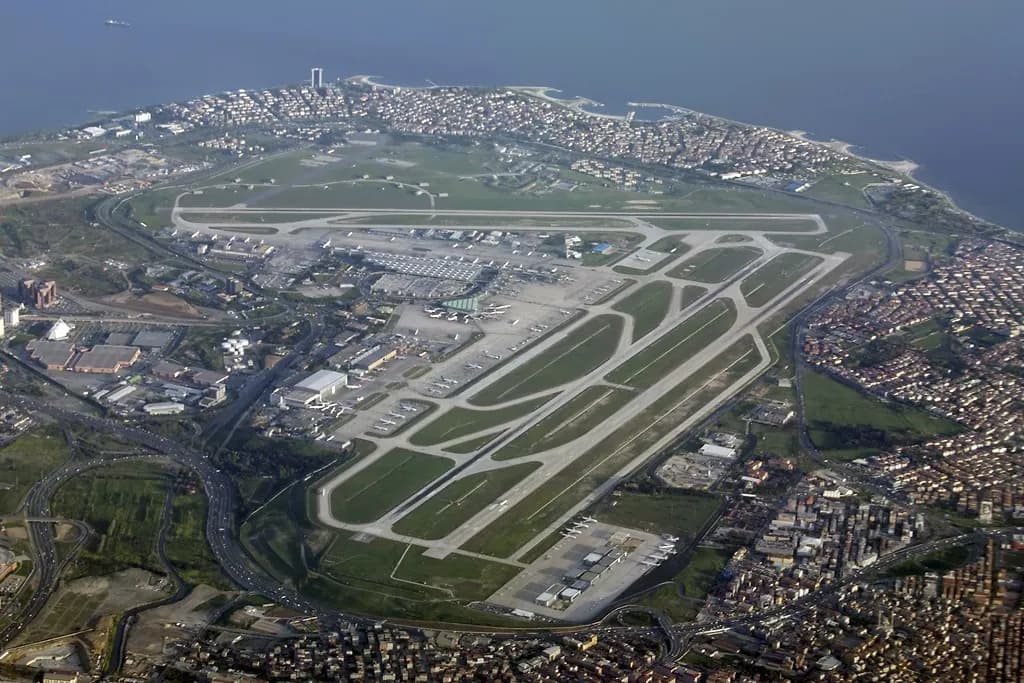
Istanbul Atatürk Airport is a historic aviation facility located on the European side of Istanbul, approximately 24 kilometres west of the city centre. For decades it served as the primary international gateway to Turkey before the opening of Istanbul Airport in 2019. Today the airport is used primarily for general aviation, government flights and private aircraft operations, making it an important airport for private jet movements to and from Istanbul.
Operating under ICAO code LTBA, Atatürk Airport features two parallel runways measuring approximately 3,000 metres, allowing it to accommodate a wide range of aircraft including light business jets, midsize aircraft and larger long-range private jets. The airport’s runway infrastructure and proximity to central Istanbul make it particularly practical for private aviation operations requiring quick access to the historic districts and business centres of the city.
Because the airport no longer handles large volumes of commercial airline traffic, it can provide a more controlled environment for general aviation movements compared with the larger Istanbul Airport. Private jet passengers typically use dedicated handling facilities that allow for efficient arrivals and departures separate from commercial passenger flows.
The airport’s location offers relatively fast ground access to central areas of Istanbul. Transfer times to districts such as Sultanahmet, the Golden Horn and the historic peninsula are typically around 25 to 30 minutes by car, depending on traffic conditions. This proximity makes Atatürk Airport a convenient option for travellers heading directly into the city’s cultural and historical centre.
Although Istanbul Airport now handles the majority of international traffic, Atatürk Airport continues to play a role within the city’s aviation infrastructure by supporting private aircraft movements, government flights and specialised aviation operations. For private jet travellers visiting Istanbul, it provides an additional airport option alongside the larger international gateway.
Handling Information
Çelebi Aviation Istanbul
Istanbul Atatürk Airport, Yeşilköy, Bakırköy, Istanbul 34149, Türkiye
- Runway Length
- 9,800 ft
- Operating Hours
- 24/7
- FBO Lounge
- Available
- Ground Transfers
- Available
Istanbul International Airport
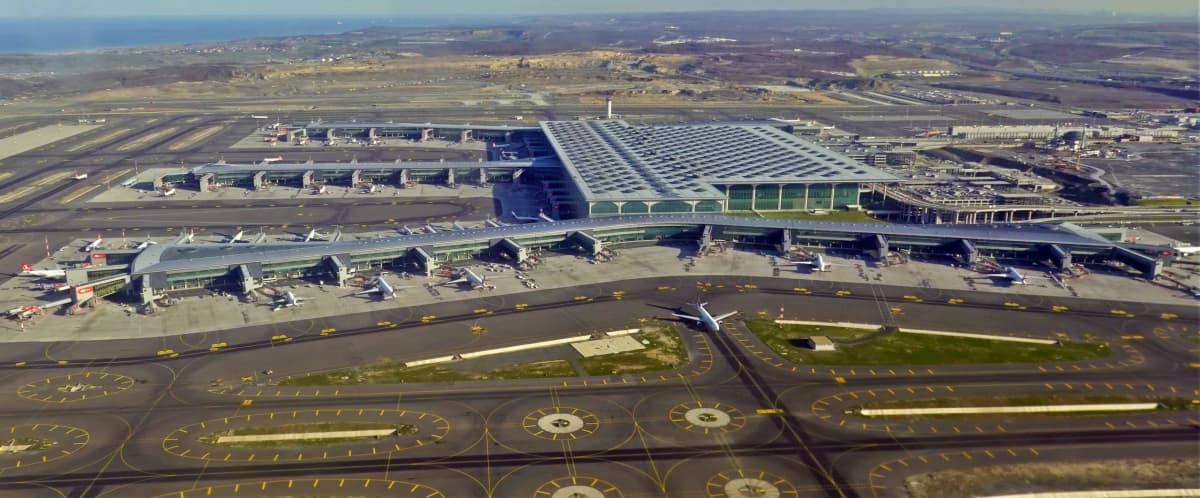
Istanbul Airport is the primary international aviation gateway to Turkey and one of the most significant global hubs connecting Europe, Asia and the Middle East. Located on the European side of Istanbul approximately 40 kilometres northwest of the city centre, the airport handles a substantial volume of international traffic and supports extensive business aviation activity. Private jet charter flights to and from Istanbul frequently operate through this airport due to its modern infrastructure, long runways and strategic position between continents.
Operating under ICAO code LTFM and IATA code IST, Istanbul Airport is one of the largest airports ever constructed. It currently operates five runways ranging between approximately 3,750 metres and 4,100 metres, allowing it to accommodate the full spectrum of aircraft including light business jets, large cabin private aircraft and ultra long range jets operating intercontinental routes. The airport’s scale and runway capacity make it particularly well suited for private jet flights connecting Europe with destinations in the Middle East, Asia and North America.
Private aviation at Istanbul Airport is supported through dedicated general aviation and VIP terminal facilities separate from the main passenger terminals. These facilities allow private jet passengers to clear customs and immigration efficiently before transferring directly to ground transportation. The airport provides full business aviation support services including aircraft handling, refuelling, maintenance coordination and aircraft parking.
Thanks to its location on the northern edge of the city, ground transfers from Istanbul Airport to central districts such as Taksim, Galata and the historic peninsula typically take 35 to 45 minutes by car, depending on traffic conditions. The airport’s road infrastructure allows relatively direct access to both the European and Asian sides of the city via the Bosphorus bridges.
Because of its geographic position between continents, Istanbul Airport has become an important operational hub for private aviation. Charter flights to and from Istanbul frequently connect with cities such as London, Paris, Zurich, Dubai, Riyadh and Doha, reflecting the city’s role as a major meeting point for international business, diplomacy and leisure travel.
For private jet travellers visiting Istanbul, the airport provides a modern and capable entry point to one of the world’s most historically significant cities while maintaining the infrastructure required to support large scale global aviation operations.
Handling Information
iGA Executive Aviation
Istanbul Airport, Arnavutköy, Istanbul 34283, Türkiye
- Runway Length
- 13,400 ft
- Operating Hours
- 24/7
- FBO Lounge
- Available
- Ground Transfers
- Available
Istanbul Sabiha Gökçen International Airport
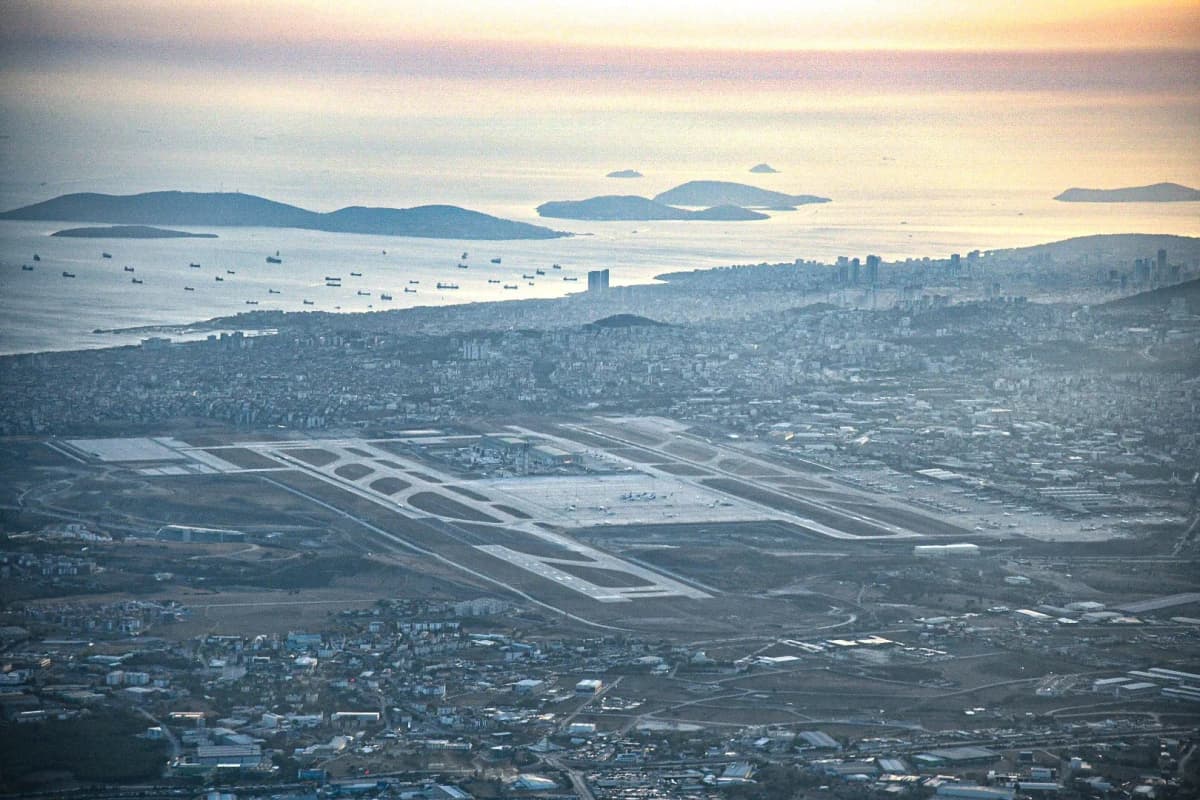
Sabiha Gökçen International Airport is the primary aviation gateway serving the Asian side of Istanbul and one of the city’s key airports supporting both commercial and private aviation operations. Located approximately 35 kilometres southeast of central Istanbul, the airport sits within the Pendik district near the northern shores of the Sea of Marmara. Private jet charter flights to and from Istanbul frequently use Sabiha Gökçen when travellers are heading to the city’s Asian districts or destinations across northwestern Türkiye.
Operating under ICAO code LTFJ and IATA code SAW, Sabiha Gökçen Airport features two parallel runways measuring approximately 3,000 metres and 3,500 metres, enabling it to accommodate a wide range of aircraft from light business jets to large cabin and long range private jets operating international sectors. The airport’s runway capacity and modern air traffic infrastructure make it suitable for both regional European flights and longer routes connecting Istanbul with the Middle East and Central Asia.
Private aviation passengers arriving at Sabiha Gökçen are typically handled through dedicated general aviation facilities separate from the main airline terminal. These facilities allow passengers to complete customs and immigration procedures efficiently while maintaining the privacy and operational flexibility required for business aviation. The airport also provides full ground handling services including aircraft parking, refuelling and operational support for private aircraft.
The airport’s position on the Asian side of the city provides convenient access to districts such as Kadıköy, Üsküdar and the Bosphorus waterfront, as well as industrial and technology centres across Istanbul’s eastern metropolitan region. Ground transfers to central areas of the Asian side typically take 30 to 40 minutes by car, depending on traffic conditions, while connections to the European side of Istanbul can be made via the Bosphorus bridges or undersea tunnels.
Because of its location and operational capacity, Sabiha Gökçen International Airport serves as an important alternative airport within Istanbul’s aviation system. Private jet travellers flying to and from Istanbul often choose between Istanbul Airport, Atatürk Airport and Sabiha Gökçen Airport depending on aircraft type, destination within the city and operational requirements.
Handling Information
HEAŞ General Aviation Terminal
Sabiha Gökçen International Airport, Pendik, Istanbul 34912, Türkiye
- Runway Length
- 11,400 ft
- Operating Hours
- 24/7
- FBO Lounge
- Available
- Ground Transfers
- Available
Frequently Asked Questions
The BLAK team answers the most common questions and covers the essentials for those thinking about flying to and from Niš.
How long is the runway at Niš Constantine the Great Airport and what does that mean for business jets?
Niš Constantine the Great Airport has a runway measuring approximately 2,500 metres, which is more than sufficient for the majority of European business aviation traffic. Aircraft such as the Citation XLS+, Praetor 500, Challenger 350 and Falcon 2000 can comfortably operate into Niš under normal conditions. For private jet travellers this means the airport is capable of supporting a wide range of regional and medium-range missions across Europe and the Middle East without operational limitations that smaller Balkan airfields sometimes impose.
Are there curfews or major slot restrictions at Niš Airport?
Niš generally offers more operational flexibility than many larger European airports. While standard airport operating procedures still apply, the airport typically experiences far fewer slot restrictions or congestion issues compared with busy regional hubs. This can make it attractive for late-evening arrivals or early morning departures.
What type of missions typically bring private jets to Niš?
Private aviation into Niš tends to fall into three categories. First are regional business trips, particularly connected to southern Serbia’s manufacturing and technology sectors. Second are government and diplomatic movements, as the city plays an important administrative role in the region. Third are leisure travellers exploring eastern Serbia, including the mountains around Stara Planina and cross-border travel toward Bulgaria.
Why do some operators prefer Niš over larger airports in the region?
In private aviation, efficiency often matters more than scale. Niš offers short taxi times, manageable traffic levels, and a central location within the Balkans, all of which can simplify operational planning. For many operators flying regional routes, the airport strikes a balance between infrastructure capability and operational convenience.