


Private Jet Flights From Paris to Oslo
Paris to Oslo

Route Briefing
IATA: LBGIATA: OSL
- Block Time
- 2h 00m
- Region
- Europe
- Distance
- 620 NM
- Charter From
- Paris Le Bourget Airport
Private flights between Paris and Oslo typically take around 2 hours, linking Paris’s major business aviation airports with Oslo Gardermoen Airport. A well-used route connecting France’s capital with Norway’s capital for business, government and cultural travel.
Route Snapshot
- Departure
- Paris Le Bourget Airport
- Alternate
- Slot Requirement
- Arrival
- Oslo Gardermoen Airport
- Aircraft Categories
- LightMidSuper-MidHeavy
- Status
- Customs
- Curfew ·LBG
- FBO / handling
- Restrictions
- Curfew·OSL
- Check-in lead time
Airport Information
Beauvais Tillé Airport
Paris Beauvais–Tillé Airport, often referred to simply as Paris Beauvais, is located approximately 85 kilometres north of central Paris in the Oise department of northern France. While the airport is best known as a base for low cost airlines serving the French capital, it also forms part of the wider aviation infrastructure supporting the Paris region’s air traffic network.
Originally developed in the 1930s and later expanded for military and civilian use, Beauvais today operates as a regional international airport with modern air traffic control systems and a runway capable of accommodating a wide range of aircraft types. Its infrastructure allows operations by turboprops, narrow-body airliners and larger aircraft, giving the airport significant operational flexibility.
Although most private jet flights to Paris use Paris Le Bourget Airport, Beauvais can occasionally be utilised for charter operations, aircraft repositioning flights and diversions when traffic levels at the main Paris airports are high. Its lower traffic density compared with the central Paris airports can sometimes make it a practical alternative for certain aviation movements.
The airport is connected to Paris via major motorway routes, with road transfers to the capital typically taking around 75 to 90 minutes depending on traffic conditions. It also serves as a gateway to the Picardy region of northern France, an area known for historic towns, countryside landscapes and proximity to the English Channel.
As part of the broader aviation network serving the French capital, Paris Beauvais–Tillé Airport provides additional operational capacity for flights operating to and from the Paris region.
Handling Information
Aéroport Paris-Beauvais – Aircraft Handling
Route de l’Aéroport, 60000 Tillé, France
- Runway Length
- 7,900 ft
- Operating Hours
- Upon Request
- On-Site Café
- Available
- Ground Transfers
- Available
Melun Villaroche Aerodrome
Melun Villaroche Aerodrome is a smaller aviation airfield located around 34 kilometres southeast of central Paris, near the town of Moissy-Cramayel in the Seine-et-Marne region. While far less known internationally than Paris Le Bourget Airport, the aerodrome plays an important role in the wider Paris general aviation network, supporting business aviation movements, training flights and specialised aerospace activity.
Historically, Melun Villaroche has strong links to the French aerospace industry. The site has long been associated with Safran Aircraft Engines, one of the world’s leading aircraft engine manufacturers, whose facilities are located adjacent to the airfield. This gives the airport a unique place within France’s aviation ecosystem, combining industrial aerospace activity with general aviation operations.
The aerodrome features two intersecting runways and infrastructure capable of accommodating turboprops, light jets and some midsize business aircraft, making it suitable for certain private jet charter flights to and from the Paris region. Due to its smaller scale and lighter traffic levels, Melun Villaroche can offer a more discreet and relaxed operating environment compared with the larger Paris airports.
Private aviation movements are typically handled through the airport’s general aviation facilities, with ground handling and passenger coordination arranged in advance. While facilities are more limited than those found at major business aviation hubs such as Paris Le Bourget, the airfield can provide efficient access to the southern and southeastern outskirts of the Paris metropolitan area.
Because of its proximity to several major road networks, travellers arriving by private aircraft can reach central Paris in approximately 45 to 60 minutes depending on traffic conditions.
As part of the broader network of airports serving the French capital, Melun Villaroche Aerodrome offers an additional operational option for private aviation flights operating to and from the Paris region.
Handling Information
Elyxan Aviation
Villaroche Activity Center, Melun-Villaroche Aerodrome, Montereau sur le Jard, 77950, France
- Runway Length
- 6,400 ft
- Operating Hours
- Upon Request
- Wi-Fi
- Available
- Ground Transfers
- Available
Paris Châlons Vatry Airport
Châlons Vatry Airport, often referred to simply as Vatry Airport, is located approximately 150 kilometres east of Paris in the Champagne region of northeastern France. While primarily known for cargo and regional passenger operations, the airport also forms part of the wider aviation infrastructure supporting flights operating to and from the Paris region.
The airport was originally developed during the 1990s as a major freight hub, which explains one of its most notable operational characteristics: a very long runway capable of accommodating the largest aircraft in service, including wide body cargo and long range passenger aircraft. This substantial infrastructure also allows the airport to support a range of charter and private aviation movements when operational requirements call for it.
Due to its relatively low traffic levels compared with the main Paris airports, Châlons Vatry can provide an alternative operating environment for certain aviation movements. Private aircraft operating here typically benefit from efficient ground handling coordination and straightforward airfield operations, particularly for charter flights serving the surrounding region.
The airport also provides convenient access to the Champagne wine region, with cities such as Reims and Épernay reachable by road in around one hour. These historic towns sit at the centre of one of the world’s most famous wine producing areas, home to renowned Champagne houses and vineyard estates.
Although most private jet flights to Paris use airports closer to the capital, Châlons Vatry Airport offers an additional operational option for aviation movements serving eastern France and the Champagne region.
Handling Information
XCR Handling (Aéroport Paris-Vatry)
Rue Louis Blériot, 51320 Bussy-Lettrée, France
- Runway Length
- 12,600 ft
- Operating Hours
- Upon Request
- On-Site Café
- Available
- Ground Transfers
- Available
Paris Charles de Gaulle International Airport
Paris Charles de Gaulle Airport is the largest airport in France and one of the busiest international aviation hubs in Europe. Located approximately 21 kilometres northeast of central Paris, the airport serves as the primary long haul gateway to the French capital and handles tens of millions of passengers each year across its extensive terminal complex.
The airport operates multiple parallel runways and vast aircraft parking infrastructure, allowing it to accommodate everything from regional aircraft to wide body airliners and long range business jets such as the Gulfstream G650, Bombardier Global series and Dassault Falcon aircraft.
Although Charles de Gaulle is primarily designed for large commercial airline operations, the airport can also support private aviation movements, particularly for passengers connecting between private aircraft and scheduled airline services. Business aviation flights are typically handled through dedicated handling providers that coordinate private passenger processing, aircraft parking, fuelling, ground handling and crew services.
Operationally, private jet movements at CDG are generally easier to arrange when passengers are connecting to or from a commercial airline flight, which is one of the reasons the airport is sometimes used for long haul private aviation itineraries involving airline connections. Because of the scale and traffic levels at the airport, business aviation operations here can involve more complex coordination and higher handling costs compared with airports dedicated specifically to private aviation.
For most private jet charter flights to and from Paris, operators prefer Paris Le Bourget Airport, located around 20 minutes away, which is dedicated almost entirely to business aviation operations and allows faster passenger processing and simpler ground handling procedures.
Even so, Charles de Gaulle remains an important component of the aviation infrastructure serving the Paris region and offers additional operational flexibility for private aviation flights requiring access to the main international airport of the French capital.
Handling Information
Signature Aviation Paris Charles de Gaulle
Zone d’Aviation d’Affaires, 95700 Roissy-en-France, France
- Runway Length
- 13,700 ft
- Operating Hours
- 24/7
- Meet And Greet Services
- Available
- Ground Transfers
- Available
Paris Issy-les-Moulineaux Heliport
Paris Issy-les-Moulineaux Heliport is the only active heliport located within the Paris metropolitan area and plays an important role in supporting helicopter transfers and specialised aviation operations serving the French capital. Situated on the southwestern edge of central Paris along the Seine, the heliport provides rapid aerial access to the city and surrounding regions.
The heliport is primarily used for helicopter movements including executive transfers, aerial work flights, training operations and connections to nearby airports such as Paris Le Bourget and Paris Charles de Gaulle. For private aviation travellers arriving by private jet charter to Paris, helicopter transfers from the major Paris airports can provide a fast connection into the city during periods of heavy road traffic.
Facilities at the heliport include dedicated helicopter handling services, passenger reception areas and operational support infrastructure required for helicopter movements. Maintenance and technical services for rotary aircraft are also available through specialised aviation operators based on site.
Its location within the city allows passengers arriving by helicopter to reach central Paris districts such as the Eiffel Tower area, the 7th arrondissement and the Left Bank within minutes by ground transfer.
As the only heliport operating inside the Paris city limits, Paris Issy-les-Moulineaux Heliport remains a unique element of the aviation network serving the French capital, supporting helicopter connections and specialised aviation movements across the region.
Handling Information
Paris Issy Héliport Handling
4 Avenue de la Porte de Sèvres, 75015 Paris, France
- Runway Length
- -
- Operating Hours
- Upon Request
- Helicopter Transfers
- Available
- Ground Transfers
- Available
Paris Le Bourget Airport
Paris Le Bourget Airport is the primary airport for private jet charter to and from Paris and is widely recognised as the world’s busiest airport dedicated exclusively to business aviation. Located approximately 11 kilometres northeast of central Paris, the airport has been the centre of private aviation activity in the French capital for decades and handles thousands of private jet movements each year.
Unlike the larger commercial airports serving Paris, Le Bourget operates almost entirely for general aviation and private aircraft, making it the preferred arrival point for heads of state, global business leaders, entertainers and high net worth travellers flying private jet charter to Paris.
The airport hosts a large number of business aviation FBO operators, including AstonSky, Signature Aviation, Jetex, Universal Aviation and Sky Valet, all providing specialised services for private jet passengers and crew. Facilities typically include VIP lounges, private meeting rooms, concierge services, aircraft handling, catering coordination and crew support, ensuring efficient operations for aircraft ranging from light jets to long range business jets such as the Gulfstream G650, Bombardier Global series and Dassault Falcon aircraft.
Paris Le Bourget Airport is also globally recognised as the host of the Paris Air Show, the largest aerospace exhibition in the world. In addition to the air show, private aviation traffic increases significantly during major international events such as Paris Fashion Week, Roland-Garros and global political summits, reinforcing the airport’s role as one of the most important private aviation hubs anywhere in the world.
For travellers flying private jet charter to or from Paris, Le Bourget offers one of the most efficient airport experiences in Europe. Direct access to the A1 motorway allows transfers to central Paris in around 25 to 35 minutes, placing passengers within easy reach of the city’s business districts, luxury hotels and historic neighbourhoods.
As the leading airport for business aviation in France and one of the most important private jet airports globally, Paris Le Bourget Airport remains the premier gateway for private jet travel to the French capital.
Handling Information
AstonSky
Terminal Astonsky, Rue de Prague, Zone Aviateurs, 95500 Bonneuil-en-France, France
- Runway Length
- 9,800 ft
- Operating Hours
- 24/7
- FBO Lounge
- Available
- Ground Transfers
- Available
Paris Orly Airport
Paris Orly Airport is one of the two major international airports serving the French capital and sits approximately 13 kilometres south of central Paris. While most private jet charter flights to Paris operate through Paris Le Bourget Airport, Orly remains an important part of the capital’s aviation infrastructure and can support private aviation movements alongside its commercial operations.
Originally opened in 1932, Orly served as Paris’s main international airport for many decades before the development of Paris Charles de Gaulle. Today the airport continues to handle significant passenger traffic and remains a key gateway to southern Paris and the surrounding regions.
For private jet travellers, Paris Orly can provide an alternative arrival point depending on aircraft type, routing and operational requirements. Business aviation movements are typically handled through dedicated general aviation handling services, allowing passengers to transition efficiently from aircraft to ground transport without passing through the main passenger terminals.
One of the advantages of arriving at Orly is its proximity to the southern districts of Paris, as well as the nearby Vallée de Chevreuse and Chevreuse Regional Natural Park, an area known for historic châteaux, countryside estates and scenic landscapes located just a short drive from the airport.
The airport is well connected to the capital via major road networks and rail links, with transfers to central Paris typically taking around 25 to 35 minutes depending on traffic conditions.
As part of the broader network of airports serving the French capital, Paris Orly Airport provides additional operational flexibility for flights operating to and from the Paris region, complementing the private aviation hub at Paris Le Bourget.
Handling Information
Sky Valet Paris Orly
Aéroport de Paris Orly, 94390 Orly, France
- Runway Length
- 11,900 ft
- Operating Hours
- 24/7
- Wi-Fi
- Available
- Ground Transfers
- Available
Paris Pontoise Cormeilles Airport
Pontoise – Cormeilles Airport, officially known as Aéroport de Pontoise – Cormeilles-en-Vexin, is a general aviation airfield located approximately 35 kilometres northwest of central Paris in the Val-d’Oise department. While smaller than the major airports serving the French capital, it plays an important role within the wider Paris general aviation network, supporting private aviation, training flights and specialised aerial operations.
The airfield was originally developed during the 1930s for military aviation before later transitioning to civilian use. Today it operates primarily as a general aviation airport, providing an alternative operational base for aircraft movements serving the western side of the Paris metropolitan region.
Pontoise Airport features a paved runway capable of accommodating turboprops, light jets and certain midsize business aircraft, making it suitable for some private jet charter operations to and from the Paris area. Due to its smaller scale and lower traffic levels compared with the larger Paris airports, the airfield can offer a quieter operating environment for certain aviation movements.
Private aircraft operating into Pontoise benefit from general aviation handling services and dedicated operational support, with flights typically arranged in advance to ensure smooth coordination on arrival and departure.
The airport’s position northwest of the capital provides convenient access to areas such as La Défense, the western Paris suburbs and the Normandy corridor, while central Paris can typically be reached in around 45 to 60 minutes by road depending on traffic conditions.
As part of the broader network of airports surrounding the French capital, Pontoise – Cormeilles Airport provides an additional operational option for general aviation and selected private jet flights to and from the Paris region.
Handling Information
AMERIDAIR Handling
Pontoise-Cormeilles Aerodrome, Cormeilles-en-Vexin, Pontoise, 95830, France
- Runway Length
- 5,500 ft
- Operating Hours
- 24/7
- Helicopter Transfers
- Available
- Ground Transfers
- Available
Beauvais Tillé Airport
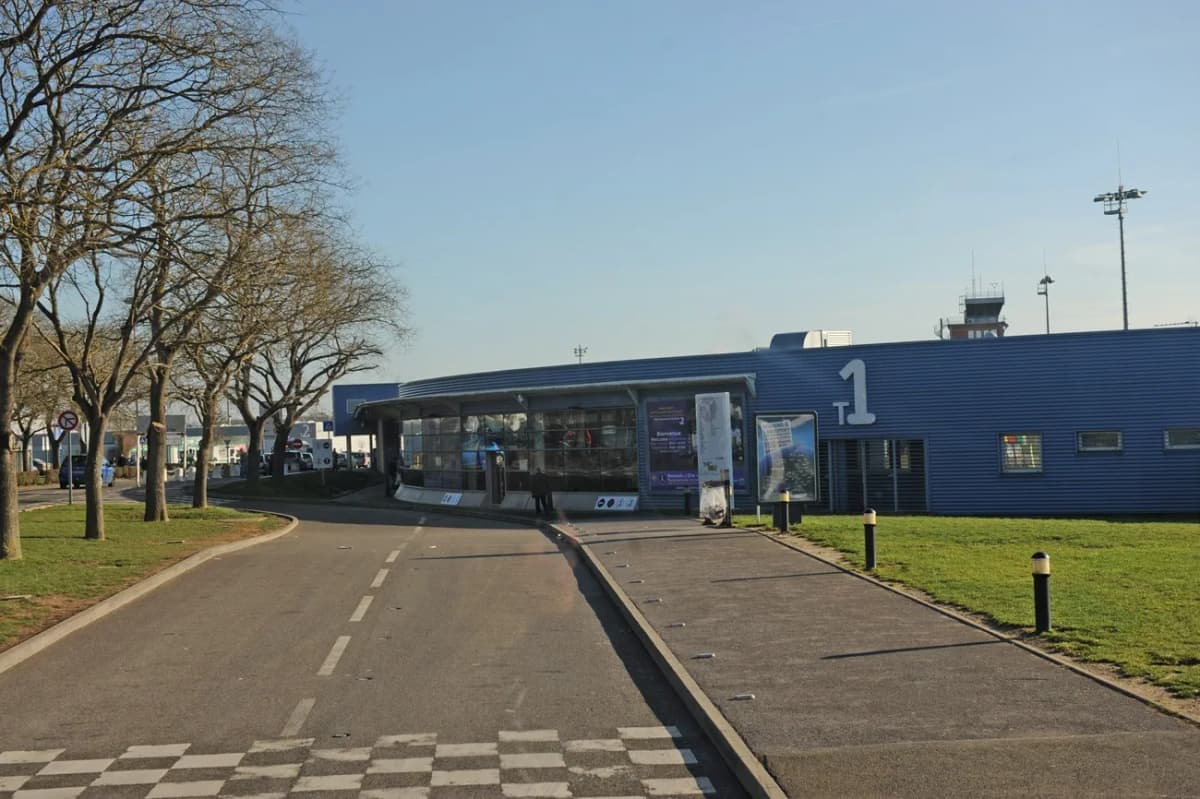
Paris Beauvais–Tillé Airport, often referred to simply as Paris Beauvais, is located approximately 85 kilometres north of central Paris in the Oise department of northern France. While the airport is best known as a base for low cost airlines serving the French capital, it also forms part of the wider aviation infrastructure supporting the Paris region’s air traffic network.
Originally developed in the 1930s and later expanded for military and civilian use, Beauvais today operates as a regional international airport with modern air traffic control systems and a runway capable of accommodating a wide range of aircraft types. Its infrastructure allows operations by turboprops, narrow-body airliners and larger aircraft, giving the airport significant operational flexibility.
Although most private jet flights to Paris use Paris Le Bourget Airport, Beauvais can occasionally be utilised for charter operations, aircraft repositioning flights and diversions when traffic levels at the main Paris airports are high. Its lower traffic density compared with the central Paris airports can sometimes make it a practical alternative for certain aviation movements.
The airport is connected to Paris via major motorway routes, with road transfers to the capital typically taking around 75 to 90 minutes depending on traffic conditions. It also serves as a gateway to the Picardy region of northern France, an area known for historic towns, countryside landscapes and proximity to the English Channel.
As part of the broader aviation network serving the French capital, Paris Beauvais–Tillé Airport provides additional operational capacity for flights operating to and from the Paris region.
Handling Information
Aéroport Paris-Beauvais – Aircraft Handling
Route de l’Aéroport, 60000 Tillé, France
- Runway Length
- 7,900 ft
- Operating Hours
- Upon Request
- On-Site Café
- Available
- Ground Transfers
- Available
Melun Villaroche Aerodrome

Melun Villaroche Aerodrome is a smaller aviation airfield located around 34 kilometres southeast of central Paris, near the town of Moissy-Cramayel in the Seine-et-Marne region. While far less known internationally than Paris Le Bourget Airport, the aerodrome plays an important role in the wider Paris general aviation network, supporting business aviation movements, training flights and specialised aerospace activity.
Historically, Melun Villaroche has strong links to the French aerospace industry. The site has long been associated with Safran Aircraft Engines, one of the world’s leading aircraft engine manufacturers, whose facilities are located adjacent to the airfield. This gives the airport a unique place within France’s aviation ecosystem, combining industrial aerospace activity with general aviation operations.
The aerodrome features two intersecting runways and infrastructure capable of accommodating turboprops, light jets and some midsize business aircraft, making it suitable for certain private jet charter flights to and from the Paris region. Due to its smaller scale and lighter traffic levels, Melun Villaroche can offer a more discreet and relaxed operating environment compared with the larger Paris airports.
Private aviation movements are typically handled through the airport’s general aviation facilities, with ground handling and passenger coordination arranged in advance. While facilities are more limited than those found at major business aviation hubs such as Paris Le Bourget, the airfield can provide efficient access to the southern and southeastern outskirts of the Paris metropolitan area.
Because of its proximity to several major road networks, travellers arriving by private aircraft can reach central Paris in approximately 45 to 60 minutes depending on traffic conditions.
As part of the broader network of airports serving the French capital, Melun Villaroche Aerodrome offers an additional operational option for private aviation flights operating to and from the Paris region.
Handling Information
Elyxan Aviation
Villaroche Activity Center, Melun-Villaroche Aerodrome, Montereau sur le Jard, 77950, France
- Runway Length
- 6,400 ft
- Operating Hours
- Upon Request
- Wi-Fi
- Available
- Ground Transfers
- Available
Paris Châlons Vatry Airport
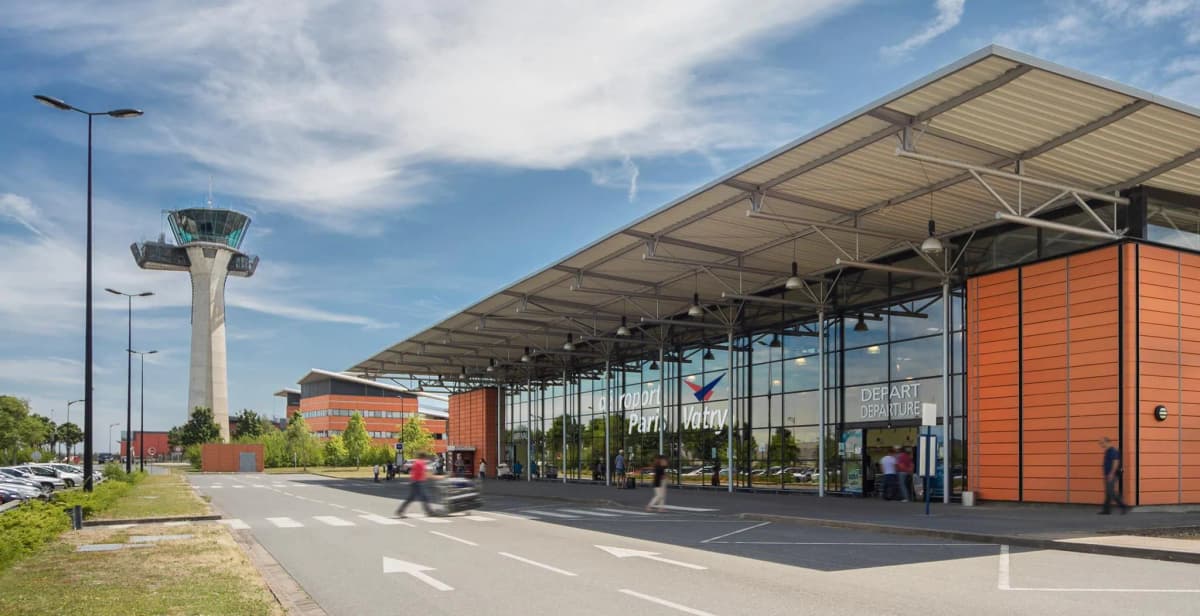
Châlons Vatry Airport, often referred to simply as Vatry Airport, is located approximately 150 kilometres east of Paris in the Champagne region of northeastern France. While primarily known for cargo and regional passenger operations, the airport also forms part of the wider aviation infrastructure supporting flights operating to and from the Paris region.
The airport was originally developed during the 1990s as a major freight hub, which explains one of its most notable operational characteristics: a very long runway capable of accommodating the largest aircraft in service, including wide body cargo and long range passenger aircraft. This substantial infrastructure also allows the airport to support a range of charter and private aviation movements when operational requirements call for it.
Due to its relatively low traffic levels compared with the main Paris airports, Châlons Vatry can provide an alternative operating environment for certain aviation movements. Private aircraft operating here typically benefit from efficient ground handling coordination and straightforward airfield operations, particularly for charter flights serving the surrounding region.
The airport also provides convenient access to the Champagne wine region, with cities such as Reims and Épernay reachable by road in around one hour. These historic towns sit at the centre of one of the world’s most famous wine producing areas, home to renowned Champagne houses and vineyard estates.
Although most private jet flights to Paris use airports closer to the capital, Châlons Vatry Airport offers an additional operational option for aviation movements serving eastern France and the Champagne region.
Handling Information
XCR Handling (Aéroport Paris-Vatry)
Rue Louis Blériot, 51320 Bussy-Lettrée, France
- Runway Length
- 12,600 ft
- Operating Hours
- Upon Request
- On-Site Café
- Available
- Ground Transfers
- Available
Paris Charles de Gaulle International Airport
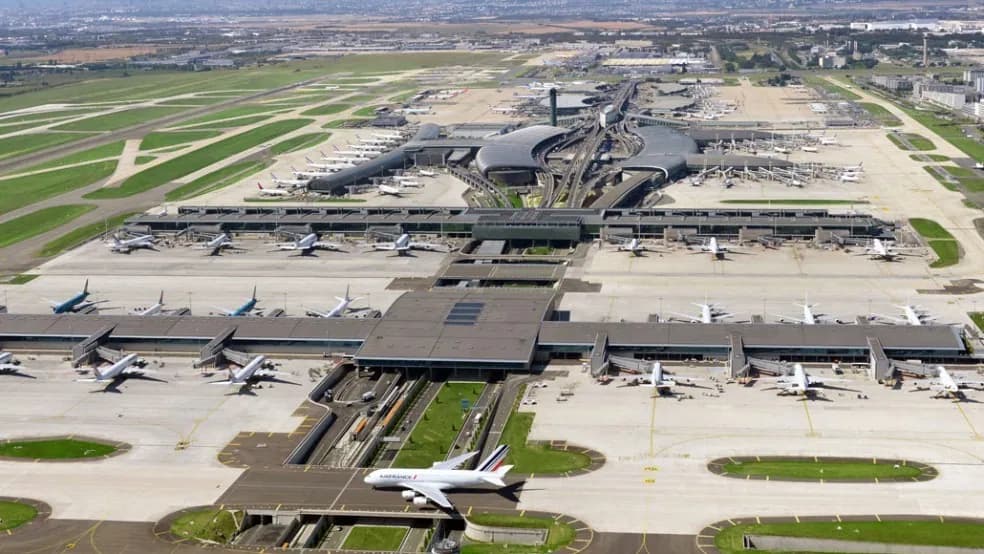
Paris Charles de Gaulle Airport is the largest airport in France and one of the busiest international aviation hubs in Europe. Located approximately 21 kilometres northeast of central Paris, the airport serves as the primary long haul gateway to the French capital and handles tens of millions of passengers each year across its extensive terminal complex.
The airport operates multiple parallel runways and vast aircraft parking infrastructure, allowing it to accommodate everything from regional aircraft to wide body airliners and long range business jets such as the Gulfstream G650, Bombardier Global series and Dassault Falcon aircraft.
Although Charles de Gaulle is primarily designed for large commercial airline operations, the airport can also support private aviation movements, particularly for passengers connecting between private aircraft and scheduled airline services. Business aviation flights are typically handled through dedicated handling providers that coordinate private passenger processing, aircraft parking, fuelling, ground handling and crew services.
Operationally, private jet movements at CDG are generally easier to arrange when passengers are connecting to or from a commercial airline flight, which is one of the reasons the airport is sometimes used for long haul private aviation itineraries involving airline connections. Because of the scale and traffic levels at the airport, business aviation operations here can involve more complex coordination and higher handling costs compared with airports dedicated specifically to private aviation.
For most private jet charter flights to and from Paris, operators prefer Paris Le Bourget Airport, located around 20 minutes away, which is dedicated almost entirely to business aviation operations and allows faster passenger processing and simpler ground handling procedures.
Even so, Charles de Gaulle remains an important component of the aviation infrastructure serving the Paris region and offers additional operational flexibility for private aviation flights requiring access to the main international airport of the French capital.
Handling Information
Signature Aviation Paris Charles de Gaulle
Zone d’Aviation d’Affaires, 95700 Roissy-en-France, France
- Runway Length
- 13,700 ft
- Operating Hours
- 24/7
- Meet And Greet Services
- Available
- Ground Transfers
- Available
Paris Issy-les-Moulineaux Heliport
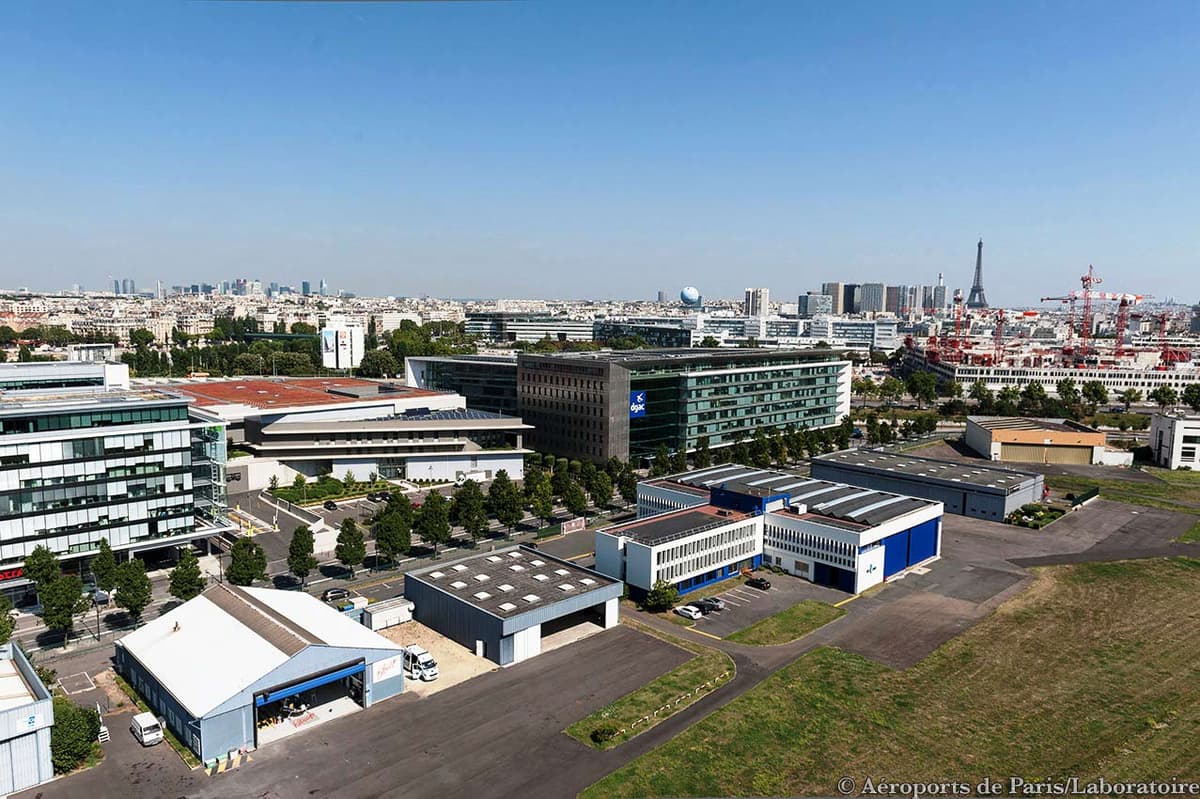
Paris Issy-les-Moulineaux Heliport is the only active heliport located within the Paris metropolitan area and plays an important role in supporting helicopter transfers and specialised aviation operations serving the French capital. Situated on the southwestern edge of central Paris along the Seine, the heliport provides rapid aerial access to the city and surrounding regions.
The heliport is primarily used for helicopter movements including executive transfers, aerial work flights, training operations and connections to nearby airports such as Paris Le Bourget and Paris Charles de Gaulle. For private aviation travellers arriving by private jet charter to Paris, helicopter transfers from the major Paris airports can provide a fast connection into the city during periods of heavy road traffic.
Facilities at the heliport include dedicated helicopter handling services, passenger reception areas and operational support infrastructure required for helicopter movements. Maintenance and technical services for rotary aircraft are also available through specialised aviation operators based on site.
Its location within the city allows passengers arriving by helicopter to reach central Paris districts such as the Eiffel Tower area, the 7th arrondissement and the Left Bank within minutes by ground transfer.
As the only heliport operating inside the Paris city limits, Paris Issy-les-Moulineaux Heliport remains a unique element of the aviation network serving the French capital, supporting helicopter connections and specialised aviation movements across the region.
Handling Information
Paris Issy Héliport Handling
4 Avenue de la Porte de Sèvres, 75015 Paris, France
- Runway Length
- -
- Operating Hours
- Upon Request
- Helicopter Transfers
- Available
- Ground Transfers
- Available
Paris Le Bourget Airport
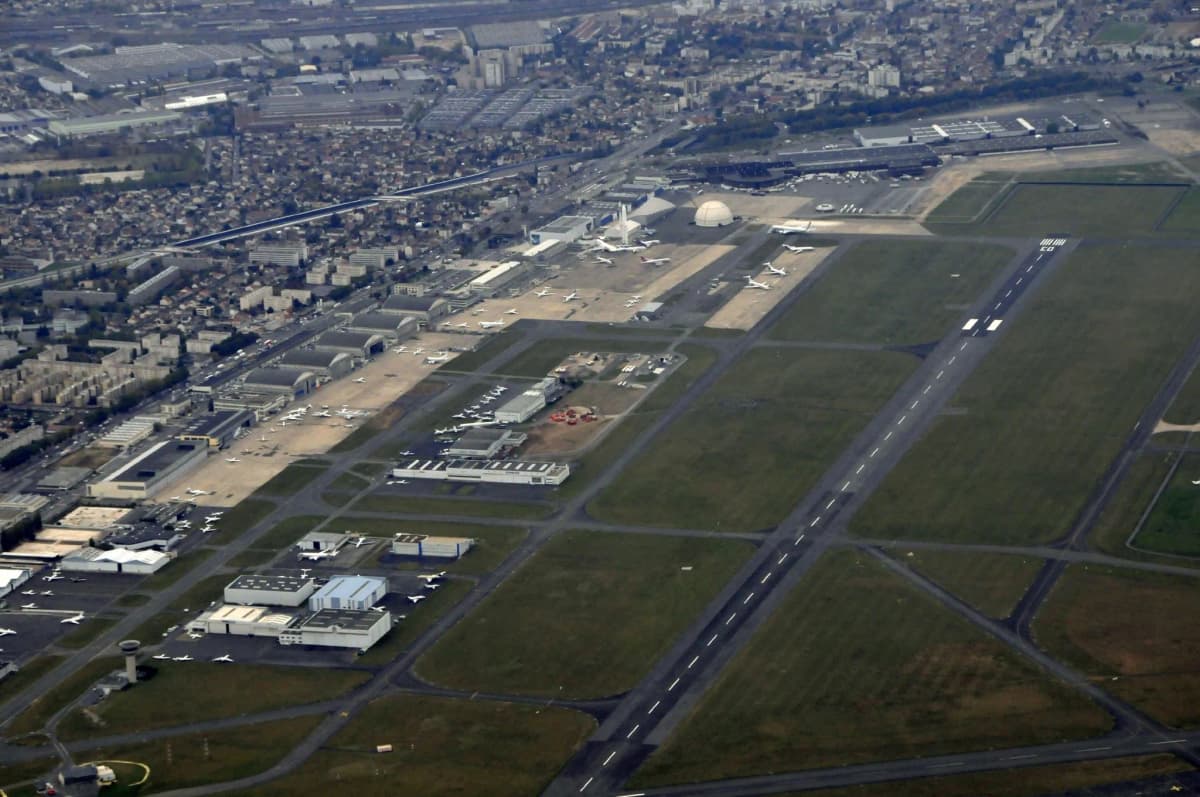
Paris Le Bourget Airport is the primary airport for private jet charter to and from Paris and is widely recognised as the world’s busiest airport dedicated exclusively to business aviation. Located approximately 11 kilometres northeast of central Paris, the airport has been the centre of private aviation activity in the French capital for decades and handles thousands of private jet movements each year.
Unlike the larger commercial airports serving Paris, Le Bourget operates almost entirely for general aviation and private aircraft, making it the preferred arrival point for heads of state, global business leaders, entertainers and high net worth travellers flying private jet charter to Paris.
The airport hosts a large number of business aviation FBO operators, including AstonSky, Signature Aviation, Jetex, Universal Aviation and Sky Valet, all providing specialised services for private jet passengers and crew. Facilities typically include VIP lounges, private meeting rooms, concierge services, aircraft handling, catering coordination and crew support, ensuring efficient operations for aircraft ranging from light jets to long range business jets such as the Gulfstream G650, Bombardier Global series and Dassault Falcon aircraft.
Paris Le Bourget Airport is also globally recognised as the host of the Paris Air Show, the largest aerospace exhibition in the world. In addition to the air show, private aviation traffic increases significantly during major international events such as Paris Fashion Week, Roland-Garros and global political summits, reinforcing the airport’s role as one of the most important private aviation hubs anywhere in the world.
For travellers flying private jet charter to or from Paris, Le Bourget offers one of the most efficient airport experiences in Europe. Direct access to the A1 motorway allows transfers to central Paris in around 25 to 35 minutes, placing passengers within easy reach of the city’s business districts, luxury hotels and historic neighbourhoods.
As the leading airport for business aviation in France and one of the most important private jet airports globally, Paris Le Bourget Airport remains the premier gateway for private jet travel to the French capital.
Handling Information
AstonSky
Terminal Astonsky, Rue de Prague, Zone Aviateurs, 95500 Bonneuil-en-France, France
- Runway Length
- 9,800 ft
- Operating Hours
- 24/7
- FBO Lounge
- Available
- Ground Transfers
- Available
Paris Orly Airport
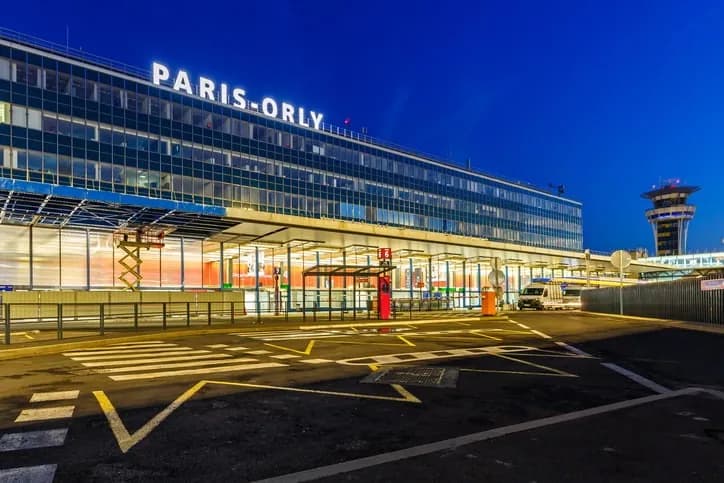
Paris Orly Airport is one of the two major international airports serving the French capital and sits approximately 13 kilometres south of central Paris. While most private jet charter flights to Paris operate through Paris Le Bourget Airport, Orly remains an important part of the capital’s aviation infrastructure and can support private aviation movements alongside its commercial operations.
Originally opened in 1932, Orly served as Paris’s main international airport for many decades before the development of Paris Charles de Gaulle. Today the airport continues to handle significant passenger traffic and remains a key gateway to southern Paris and the surrounding regions.
For private jet travellers, Paris Orly can provide an alternative arrival point depending on aircraft type, routing and operational requirements. Business aviation movements are typically handled through dedicated general aviation handling services, allowing passengers to transition efficiently from aircraft to ground transport without passing through the main passenger terminals.
One of the advantages of arriving at Orly is its proximity to the southern districts of Paris, as well as the nearby Vallée de Chevreuse and Chevreuse Regional Natural Park, an area known for historic châteaux, countryside estates and scenic landscapes located just a short drive from the airport.
The airport is well connected to the capital via major road networks and rail links, with transfers to central Paris typically taking around 25 to 35 minutes depending on traffic conditions.
As part of the broader network of airports serving the French capital, Paris Orly Airport provides additional operational flexibility for flights operating to and from the Paris region, complementing the private aviation hub at Paris Le Bourget.
Handling Information
Sky Valet Paris Orly
Aéroport de Paris Orly, 94390 Orly, France
- Runway Length
- 11,900 ft
- Operating Hours
- 24/7
- Wi-Fi
- Available
- Ground Transfers
- Available
Paris Pontoise Cormeilles Airport
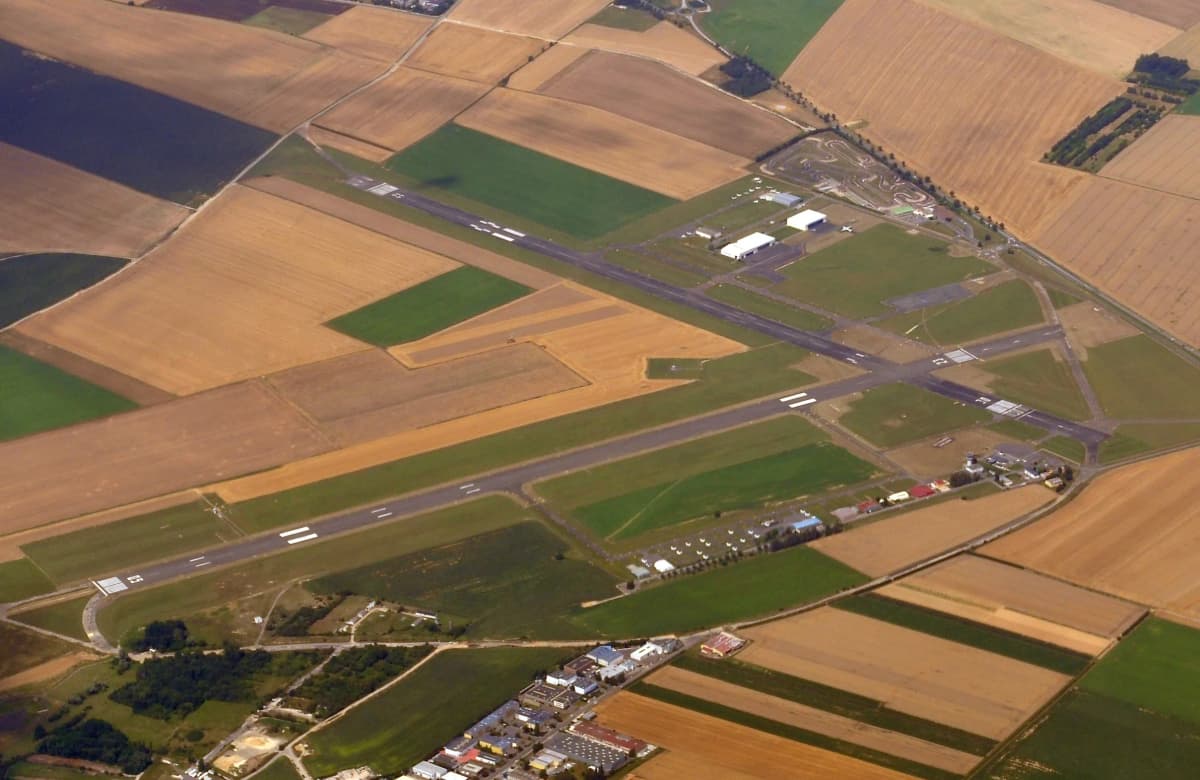
Pontoise – Cormeilles Airport, officially known as Aéroport de Pontoise – Cormeilles-en-Vexin, is a general aviation airfield located approximately 35 kilometres northwest of central Paris in the Val-d’Oise department. While smaller than the major airports serving the French capital, it plays an important role within the wider Paris general aviation network, supporting private aviation, training flights and specialised aerial operations.
The airfield was originally developed during the 1930s for military aviation before later transitioning to civilian use. Today it operates primarily as a general aviation airport, providing an alternative operational base for aircraft movements serving the western side of the Paris metropolitan region.
Pontoise Airport features a paved runway capable of accommodating turboprops, light jets and certain midsize business aircraft, making it suitable for some private jet charter operations to and from the Paris area. Due to its smaller scale and lower traffic levels compared with the larger Paris airports, the airfield can offer a quieter operating environment for certain aviation movements.
Private aircraft operating into Pontoise benefit from general aviation handling services and dedicated operational support, with flights typically arranged in advance to ensure smooth coordination on arrival and departure.
The airport’s position northwest of the capital provides convenient access to areas such as La Défense, the western Paris suburbs and the Normandy corridor, while central Paris can typically be reached in around 45 to 60 minutes by road depending on traffic conditions.
As part of the broader network of airports surrounding the French capital, Pontoise – Cormeilles Airport provides an additional operational option for general aviation and selected private jet flights to and from the Paris region.
Handling Information
AMERIDAIR Handling
Pontoise-Cormeilles Aerodrome, Cormeilles-en-Vexin, Pontoise, 95830, France
- Runway Length
- 5,500 ft
- Operating Hours
- 24/7
- Helicopter Transfers
- Available
- Ground Transfers
- Available
Moss Airport, Rygge
Moss Airport Rygge, located roughly 60 kilometres south of Oslo, is a smaller regional airport that has historically served both commercial and private aviation traffic in southeastern Norway. Positioned near the town of Rygge on the eastern side of the Oslofjord, the airport offers an alternative aviation gateway to the Norwegian capital and the surrounding coastal region.
The airport operates a single runway measuring approximately 2,442 metres (around 8,000 feet), which allows it to accommodate a wide range of aircraft including turboprops, regional jets and many midsize business jets depending on payload and operating conditions. Its relatively unconstrained surrounding terrain makes arrivals and departures straightforward compared with some airports located deeper within Norway’s mountainous landscapes.
Although Moss Airport has previously hosted scheduled airline operations carrying close to two million passengers annually, it has also been used for general aviation and private aircraft movements due to its proximity to Oslo and the Oslofjord region. The airport’s smaller scale can offer a quieter operational environment compared with the larger hub of Oslo Gardermoen Airport.
For private jet travellers, Moss Airport provides convenient access to both Oslo and the wider Østfold region. Transfers to the capital typically take around 50 minutes by road, depending on traffic conditions, passing through coastal landscapes and forested countryside along the way.
Because of its location along Norway’s southeastern transport corridor, Moss Airport can also serve as a practical arrival point for travellers visiting destinations along the Oslofjord coastline while remaining within easy reach of the capital city.
Handling Information
Rygge Aero Service AS
Moss Airport Rygge, Flyplassveien 300, 1580 Rygge, Norway
- Runway Length
- 8,000 ft
- Operating Hours
- 08:00 - 20:00
- FBO Lounge
- Not Available
- Ground Transfers
- Available
Oslo Gardermoen Airport
Oslo Gardermoen Airport is Norway’s largest aviation hub and the primary airport serving the capital city of Oslo. Located approximately 35 kilometres northeast of the city centre near Gardermoen, the airport functions as the country’s main international gateway and supports a wide range of commercial and business aviation operations.
For private jet travellers flying into Norway, Oslo Gardermoen offers one of the most capable airport infrastructures in Scandinavia. The airport operates two parallel runways measuring approximately 3,600 metres (11,800 feet) and 2,950 metres (9,700 feet) respectively, allowing it to accommodate the full spectrum of business aviation aircraft including large-cabin and ultra-long-range jets such as the Gulfstream G650, Falcon 8X and Bombardier Global series.
Because of its long runways and advanced navigation infrastructure, Oslo Gardermoen is frequently used by private aviation operators for both destination arrivals and technical operations. The airport supports instrument approaches, year-round operations and winter aviation procedures including de-icing, which are essential in Norway’s northern climate.
Although it handles more than 20 million passengers annually through scheduled airline traffic, the airport maintains efficient ground handling for business aviation flights. Dedicated services for private aircraft include ground handling support, fuel services and customs processing for international arrivals.
Transfer times between the airport and central Oslo typically range from 35 to 40 minutes by road, while high-speed rail services connect the airport directly with the city centre. This proximity allows private jet travellers to reach Oslo’s waterfront districts, government institutions and cultural venues quickly after landing.
Beyond the capital, Oslo Gardermoen also serves as a practical aviation gateway to Norway’s wider landscapes. From here travellers can continue toward the country’s fjords, mountain ranges and Arctic destinations, making the airport an important operational base for private aviation flights throughout Scandinavia.
Handling Information
OHS Aviation Services
Oslo Gardermoen Airport, Edvard Munchs veg, 2061 Gardermoen, Norway
- Runway Length
- 11,800 ft
- Operating Hours
- 24/7
- FBO Lounge
- Available
- Ground Transfers
- Available
Torp Sandefjord Airport
Sandefjord Airport Torp is a regional international airport located on the western side of the Oslofjord approximately 110 kilometres south of Oslo. Positioned near the coastal town of Sandefjord, the airport provides an alternative aviation gateway to the Oslo region and southern Norway.
The airport operates a single runway measuring approximately 2,989 metres (9,800 feet), allowing it to accommodate a wide range of aircraft including midsize, large-cabin and many long-range business jets under typical operating conditions. The surrounding terrain is relatively open compared with many Norwegian airports, supporting straightforward instrument procedures and reliable year-round operations.
Although Sandefjord Airport handles scheduled airline traffic, it remains significantly smaller than Oslo Gardermoen Airport, Norway’s primary aviation hub. This smaller operational scale can provide a quieter environment for private aviation flights, particularly outside peak airline operating periods.
For private jet travellers, Sandefjord Airport offers access not only to Oslo but also to the wider Vestfold coastline and the Oslofjord region. Ground transfers to central Oslo typically take around 90 minutes by road, depending on traffic conditions, passing through forests, coastal towns and rural landscapes typical of southeastern Norway.
Because of its runway capability and position along Norway’s southeastern aviation corridor, Sandefjord Airport can serve as both a destination airport and a practical operational alternative for private jet flights operating within Scandinavia.
Handling Information
Sandefjord Lufthavn AS
Sandefjord Airport Torp, Torpveien 130, 3241 Sandefjord, Norway
- Runway Length
- 9,800 ft
- Operating Hours
- 05:00 - 22:00
- FBO Lounge
- Not Available
- Ground Transfers
- Available
Moss Airport, Rygge
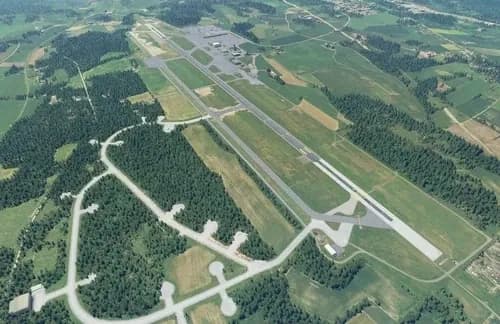
Moss Airport Rygge, located roughly 60 kilometres south of Oslo, is a smaller regional airport that has historically served both commercial and private aviation traffic in southeastern Norway. Positioned near the town of Rygge on the eastern side of the Oslofjord, the airport offers an alternative aviation gateway to the Norwegian capital and the surrounding coastal region.
The airport operates a single runway measuring approximately 2,442 metres (around 8,000 feet), which allows it to accommodate a wide range of aircraft including turboprops, regional jets and many midsize business jets depending on payload and operating conditions. Its relatively unconstrained surrounding terrain makes arrivals and departures straightforward compared with some airports located deeper within Norway’s mountainous landscapes.
Although Moss Airport has previously hosted scheduled airline operations carrying close to two million passengers annually, it has also been used for general aviation and private aircraft movements due to its proximity to Oslo and the Oslofjord region. The airport’s smaller scale can offer a quieter operational environment compared with the larger hub of Oslo Gardermoen Airport.
For private jet travellers, Moss Airport provides convenient access to both Oslo and the wider Østfold region. Transfers to the capital typically take around 50 minutes by road, depending on traffic conditions, passing through coastal landscapes and forested countryside along the way.
Because of its location along Norway’s southeastern transport corridor, Moss Airport can also serve as a practical arrival point for travellers visiting destinations along the Oslofjord coastline while remaining within easy reach of the capital city.
Handling Information
Rygge Aero Service AS
Moss Airport Rygge, Flyplassveien 300, 1580 Rygge, Norway
- Runway Length
- 8,000 ft
- Operating Hours
- 08:00 - 20:00
- FBO Lounge
- Not Available
- Ground Transfers
- Available
Oslo Gardermoen Airport

Oslo Gardermoen Airport is Norway’s largest aviation hub and the primary airport serving the capital city of Oslo. Located approximately 35 kilometres northeast of the city centre near Gardermoen, the airport functions as the country’s main international gateway and supports a wide range of commercial and business aviation operations.
For private jet travellers flying into Norway, Oslo Gardermoen offers one of the most capable airport infrastructures in Scandinavia. The airport operates two parallel runways measuring approximately 3,600 metres (11,800 feet) and 2,950 metres (9,700 feet) respectively, allowing it to accommodate the full spectrum of business aviation aircraft including large-cabin and ultra-long-range jets such as the Gulfstream G650, Falcon 8X and Bombardier Global series.
Because of its long runways and advanced navigation infrastructure, Oslo Gardermoen is frequently used by private aviation operators for both destination arrivals and technical operations. The airport supports instrument approaches, year-round operations and winter aviation procedures including de-icing, which are essential in Norway’s northern climate.
Although it handles more than 20 million passengers annually through scheduled airline traffic, the airport maintains efficient ground handling for business aviation flights. Dedicated services for private aircraft include ground handling support, fuel services and customs processing for international arrivals.
Transfer times between the airport and central Oslo typically range from 35 to 40 minutes by road, while high-speed rail services connect the airport directly with the city centre. This proximity allows private jet travellers to reach Oslo’s waterfront districts, government institutions and cultural venues quickly after landing.
Beyond the capital, Oslo Gardermoen also serves as a practical aviation gateway to Norway’s wider landscapes. From here travellers can continue toward the country’s fjords, mountain ranges and Arctic destinations, making the airport an important operational base for private aviation flights throughout Scandinavia.
Handling Information
OHS Aviation Services
Oslo Gardermoen Airport, Edvard Munchs veg, 2061 Gardermoen, Norway
- Runway Length
- 11,800 ft
- Operating Hours
- 24/7
- FBO Lounge
- Available
- Ground Transfers
- Available
Torp Sandefjord Airport
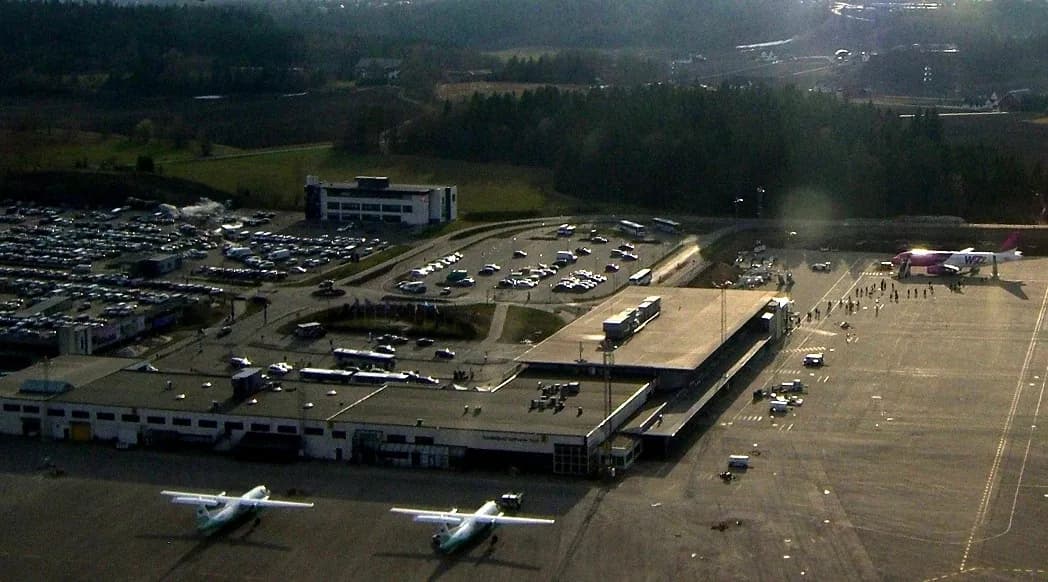
Sandefjord Airport Torp is a regional international airport located on the western side of the Oslofjord approximately 110 kilometres south of Oslo. Positioned near the coastal town of Sandefjord, the airport provides an alternative aviation gateway to the Oslo region and southern Norway.
The airport operates a single runway measuring approximately 2,989 metres (9,800 feet), allowing it to accommodate a wide range of aircraft including midsize, large-cabin and many long-range business jets under typical operating conditions. The surrounding terrain is relatively open compared with many Norwegian airports, supporting straightforward instrument procedures and reliable year-round operations.
Although Sandefjord Airport handles scheduled airline traffic, it remains significantly smaller than Oslo Gardermoen Airport, Norway’s primary aviation hub. This smaller operational scale can provide a quieter environment for private aviation flights, particularly outside peak airline operating periods.
For private jet travellers, Sandefjord Airport offers access not only to Oslo but also to the wider Vestfold coastline and the Oslofjord region. Ground transfers to central Oslo typically take around 90 minutes by road, depending on traffic conditions, passing through forests, coastal towns and rural landscapes typical of southeastern Norway.
Because of its runway capability and position along Norway’s southeastern aviation corridor, Sandefjord Airport can serve as both a destination airport and a practical operational alternative for private jet flights operating within Scandinavia.
Handling Information
Sandefjord Lufthavn AS
Sandefjord Airport Torp, Torpveien 130, 3241 Sandefjord, Norway
- Runway Length
- 9,800 ft
- Operating Hours
- 05:00 - 22:00
- FBO Lounge
- Not Available
- Ground Transfers
- Available
Frequently Asked Questions
The BLAK team answers the most common questions and covers the essentials for those thinking about flying to and from Oslo.
How do winter conditions affect private jet operations in Oslo?
Norwegian airports are designed for severe winter conditions. Airports such as Oslo Gardermoen maintain extensive snow clearing equipment and de-icing facilities, allowing private jets to operate safely even during heavy snowfall or freezing temperatures.
Does Oslo support 24-hour private aviation operations?
Yes. Oslo Gardermoen operates around the clock with full instrument navigation capability, allowing private jets to arrive and depart at any time depending on operational requirements. Oslo Gardermoen has noise abatement procedures that aircraft must follow during departures and arrivals, particularly during late evening and early morning periods.
Do strong winds affect private jet operations in Oslo during winter?
Winter weather systems across Scandinavia can occasionally bring strong winds or snow, but Oslo Gardermoen is designed to operate reliably in these conditions with advanced runway maintenance and winter aviation procedures.
Does Oslo Gardermoen support Category III instrument landing operations?
Yes. Oslo Gardermoen Airport is equipped with advanced Category III instrument landing systems (ILS) on its primary runway, allowing aircraft to land in extremely low visibility conditions. This capability is particularly important in Scandinavia where winter fog, snowfall and low cloud can occasionally affect visibility.