

Private Jet Flights From Paris to Sicily
Paris to Sicily

Route Briefing
IATA: LBGIATA: CTA
- Block Time
- 2h 30m
- Region
- Europe
- Distance
- 810 NM
- Charter From
- Paris Le Bourget Airport
Private flights between Paris and Sicily typically take around 2 hours 30 minutes, linking Paris’s major business aviation airports with Sicily’s main airports including Palermo and Catania. A popular Mediterranean route for direct access to coastal resorts, historic towns and island estates.
Route Snapshot
- Departure
- Paris Le Bourget Airport
- Alternate
- Slot Requirement
- Arrival
- Catania-Fontanarossa Airport
- Aircraft Categories
- LightMidSuper-MidHeavy
- Status
- Customs
- Curfew ·LBG
- FBO / handling
- Restrictions
- Curfew·CTA
- Check-in lead time
Airport Information
Beauvais Tillé Airport
Paris Beauvais–Tillé Airport, often referred to simply as Paris Beauvais, is located approximately 85 kilometres north of central Paris in the Oise department of northern France. While the airport is best known as a base for low cost airlines serving the French capital, it also forms part of the wider aviation infrastructure supporting the Paris region’s air traffic network.
Originally developed in the 1930s and later expanded for military and civilian use, Beauvais today operates as a regional international airport with modern air traffic control systems and a runway capable of accommodating a wide range of aircraft types. Its infrastructure allows operations by turboprops, narrow-body airliners and larger aircraft, giving the airport significant operational flexibility.
Although most private jet flights to Paris use Paris Le Bourget Airport, Beauvais can occasionally be utilised for charter operations, aircraft repositioning flights and diversions when traffic levels at the main Paris airports are high. Its lower traffic density compared with the central Paris airports can sometimes make it a practical alternative for certain aviation movements.
The airport is connected to Paris via major motorway routes, with road transfers to the capital typically taking around 75 to 90 minutes depending on traffic conditions. It also serves as a gateway to the Picardy region of northern France, an area known for historic towns, countryside landscapes and proximity to the English Channel.
As part of the broader aviation network serving the French capital, Paris Beauvais–Tillé Airport provides additional operational capacity for flights operating to and from the Paris region.
Handling Information
Aéroport Paris-Beauvais – Aircraft Handling
Route de l’Aéroport, 60000 Tillé, France
- Runway Length
- 7,900 ft
- Operating Hours
- Upon Request
- On-Site Café
- Available
- Ground Transfers
- Available
Melun Villaroche Aerodrome
Melun Villaroche Aerodrome is a smaller aviation airfield located around 34 kilometres southeast of central Paris, near the town of Moissy-Cramayel in the Seine-et-Marne region. While far less known internationally than Paris Le Bourget Airport, the aerodrome plays an important role in the wider Paris general aviation network, supporting business aviation movements, training flights and specialised aerospace activity.
Historically, Melun Villaroche has strong links to the French aerospace industry. The site has long been associated with Safran Aircraft Engines, one of the world’s leading aircraft engine manufacturers, whose facilities are located adjacent to the airfield. This gives the airport a unique place within France’s aviation ecosystem, combining industrial aerospace activity with general aviation operations.
The aerodrome features two intersecting runways and infrastructure capable of accommodating turboprops, light jets and some midsize business aircraft, making it suitable for certain private jet charter flights to and from the Paris region. Due to its smaller scale and lighter traffic levels, Melun Villaroche can offer a more discreet and relaxed operating environment compared with the larger Paris airports.
Private aviation movements are typically handled through the airport’s general aviation facilities, with ground handling and passenger coordination arranged in advance. While facilities are more limited than those found at major business aviation hubs such as Paris Le Bourget, the airfield can provide efficient access to the southern and southeastern outskirts of the Paris metropolitan area.
Because of its proximity to several major road networks, travellers arriving by private aircraft can reach central Paris in approximately 45 to 60 minutes depending on traffic conditions.
As part of the broader network of airports serving the French capital, Melun Villaroche Aerodrome offers an additional operational option for private aviation flights operating to and from the Paris region.
Handling Information
Elyxan Aviation
Villaroche Activity Center, Melun-Villaroche Aerodrome, Montereau sur le Jard, 77950, France
- Runway Length
- 6,400 ft
- Operating Hours
- Upon Request
- Wi-Fi
- Available
- Ground Transfers
- Available
Paris Châlons Vatry Airport
Châlons Vatry Airport, often referred to simply as Vatry Airport, is located approximately 150 kilometres east of Paris in the Champagne region of northeastern France. While primarily known for cargo and regional passenger operations, the airport also forms part of the wider aviation infrastructure supporting flights operating to and from the Paris region.
The airport was originally developed during the 1990s as a major freight hub, which explains one of its most notable operational characteristics: a very long runway capable of accommodating the largest aircraft in service, including wide body cargo and long range passenger aircraft. This substantial infrastructure also allows the airport to support a range of charter and private aviation movements when operational requirements call for it.
Due to its relatively low traffic levels compared with the main Paris airports, Châlons Vatry can provide an alternative operating environment for certain aviation movements. Private aircraft operating here typically benefit from efficient ground handling coordination and straightforward airfield operations, particularly for charter flights serving the surrounding region.
The airport also provides convenient access to the Champagne wine region, with cities such as Reims and Épernay reachable by road in around one hour. These historic towns sit at the centre of one of the world’s most famous wine producing areas, home to renowned Champagne houses and vineyard estates.
Although most private jet flights to Paris use airports closer to the capital, Châlons Vatry Airport offers an additional operational option for aviation movements serving eastern France and the Champagne region.
Handling Information
XCR Handling (Aéroport Paris-Vatry)
Rue Louis Blériot, 51320 Bussy-Lettrée, France
- Runway Length
- 12,600 ft
- Operating Hours
- Upon Request
- On-Site Café
- Available
- Ground Transfers
- Available
Paris Charles de Gaulle International Airport
Paris Charles de Gaulle Airport is the largest airport in France and one of the busiest international aviation hubs in Europe. Located approximately 21 kilometres northeast of central Paris, the airport serves as the primary long haul gateway to the French capital and handles tens of millions of passengers each year across its extensive terminal complex.
The airport operates multiple parallel runways and vast aircraft parking infrastructure, allowing it to accommodate everything from regional aircraft to wide body airliners and long range business jets such as the Gulfstream G650, Bombardier Global series and Dassault Falcon aircraft.
Although Charles de Gaulle is primarily designed for large commercial airline operations, the airport can also support private aviation movements, particularly for passengers connecting between private aircraft and scheduled airline services. Business aviation flights are typically handled through dedicated handling providers that coordinate private passenger processing, aircraft parking, fuelling, ground handling and crew services.
Operationally, private jet movements at CDG are generally easier to arrange when passengers are connecting to or from a commercial airline flight, which is one of the reasons the airport is sometimes used for long haul private aviation itineraries involving airline connections. Because of the scale and traffic levels at the airport, business aviation operations here can involve more complex coordination and higher handling costs compared with airports dedicated specifically to private aviation.
For most private jet charter flights to and from Paris, operators prefer Paris Le Bourget Airport, located around 20 minutes away, which is dedicated almost entirely to business aviation operations and allows faster passenger processing and simpler ground handling procedures.
Even so, Charles de Gaulle remains an important component of the aviation infrastructure serving the Paris region and offers additional operational flexibility for private aviation flights requiring access to the main international airport of the French capital.
Handling Information
Signature Aviation Paris Charles de Gaulle
Zone d’Aviation d’Affaires, 95700 Roissy-en-France, France
- Runway Length
- 13,700 ft
- Operating Hours
- 24/7
- Meet And Greet Services
- Available
- Ground Transfers
- Available
Paris Issy-les-Moulineaux Heliport
Paris Issy-les-Moulineaux Heliport is the only active heliport located within the Paris metropolitan area and plays an important role in supporting helicopter transfers and specialised aviation operations serving the French capital. Situated on the southwestern edge of central Paris along the Seine, the heliport provides rapid aerial access to the city and surrounding regions.
The heliport is primarily used for helicopter movements including executive transfers, aerial work flights, training operations and connections to nearby airports such as Paris Le Bourget and Paris Charles de Gaulle. For private aviation travellers arriving by private jet charter to Paris, helicopter transfers from the major Paris airports can provide a fast connection into the city during periods of heavy road traffic.
Facilities at the heliport include dedicated helicopter handling services, passenger reception areas and operational support infrastructure required for helicopter movements. Maintenance and technical services for rotary aircraft are also available through specialised aviation operators based on site.
Its location within the city allows passengers arriving by helicopter to reach central Paris districts such as the Eiffel Tower area, the 7th arrondissement and the Left Bank within minutes by ground transfer.
As the only heliport operating inside the Paris city limits, Paris Issy-les-Moulineaux Heliport remains a unique element of the aviation network serving the French capital, supporting helicopter connections and specialised aviation movements across the region.
Handling Information
Paris Issy Héliport Handling
4 Avenue de la Porte de Sèvres, 75015 Paris, France
- Runway Length
- -
- Operating Hours
- Upon Request
- Helicopter Transfers
- Available
- Ground Transfers
- Available
Paris Le Bourget Airport
Paris Le Bourget Airport is the primary airport for private jet charter to and from Paris and is widely recognised as the world’s busiest airport dedicated exclusively to business aviation. Located approximately 11 kilometres northeast of central Paris, the airport has been the centre of private aviation activity in the French capital for decades and handles thousands of private jet movements each year.
Unlike the larger commercial airports serving Paris, Le Bourget operates almost entirely for general aviation and private aircraft, making it the preferred arrival point for heads of state, global business leaders, entertainers and high net worth travellers flying private jet charter to Paris.
The airport hosts a large number of business aviation FBO operators, including AstonSky, Signature Aviation, Jetex, Universal Aviation and Sky Valet, all providing specialised services for private jet passengers and crew. Facilities typically include VIP lounges, private meeting rooms, concierge services, aircraft handling, catering coordination and crew support, ensuring efficient operations for aircraft ranging from light jets to long range business jets such as the Gulfstream G650, Bombardier Global series and Dassault Falcon aircraft.
Paris Le Bourget Airport is also globally recognised as the host of the Paris Air Show, the largest aerospace exhibition in the world. In addition to the air show, private aviation traffic increases significantly during major international events such as Paris Fashion Week, Roland-Garros and global political summits, reinforcing the airport’s role as one of the most important private aviation hubs anywhere in the world.
For travellers flying private jet charter to or from Paris, Le Bourget offers one of the most efficient airport experiences in Europe. Direct access to the A1 motorway allows transfers to central Paris in around 25 to 35 minutes, placing passengers within easy reach of the city’s business districts, luxury hotels and historic neighbourhoods.
As the leading airport for business aviation in France and one of the most important private jet airports globally, Paris Le Bourget Airport remains the premier gateway for private jet travel to the French capital.
Handling Information
AstonSky
Terminal Astonsky, Rue de Prague, Zone Aviateurs, 95500 Bonneuil-en-France, France
- Runway Length
- 9,800 ft
- Operating Hours
- 24/7
- FBO Lounge
- Available
- Ground Transfers
- Available
Paris Orly Airport
Paris Orly Airport is one of the two major international airports serving the French capital and sits approximately 13 kilometres south of central Paris. While most private jet charter flights to Paris operate through Paris Le Bourget Airport, Orly remains an important part of the capital’s aviation infrastructure and can support private aviation movements alongside its commercial operations.
Originally opened in 1932, Orly served as Paris’s main international airport for many decades before the development of Paris Charles de Gaulle. Today the airport continues to handle significant passenger traffic and remains a key gateway to southern Paris and the surrounding regions.
For private jet travellers, Paris Orly can provide an alternative arrival point depending on aircraft type, routing and operational requirements. Business aviation movements are typically handled through dedicated general aviation handling services, allowing passengers to transition efficiently from aircraft to ground transport without passing through the main passenger terminals.
One of the advantages of arriving at Orly is its proximity to the southern districts of Paris, as well as the nearby Vallée de Chevreuse and Chevreuse Regional Natural Park, an area known for historic châteaux, countryside estates and scenic landscapes located just a short drive from the airport.
The airport is well connected to the capital via major road networks and rail links, with transfers to central Paris typically taking around 25 to 35 minutes depending on traffic conditions.
As part of the broader network of airports serving the French capital, Paris Orly Airport provides additional operational flexibility for flights operating to and from the Paris region, complementing the private aviation hub at Paris Le Bourget.
Handling Information
Sky Valet Paris Orly
Aéroport de Paris Orly, 94390 Orly, France
- Runway Length
- 11,900 ft
- Operating Hours
- 24/7
- Wi-Fi
- Available
- Ground Transfers
- Available
Paris Pontoise Cormeilles Airport
Pontoise – Cormeilles Airport, officially known as Aéroport de Pontoise – Cormeilles-en-Vexin, is a general aviation airfield located approximately 35 kilometres northwest of central Paris in the Val-d’Oise department. While smaller than the major airports serving the French capital, it plays an important role within the wider Paris general aviation network, supporting private aviation, training flights and specialised aerial operations.
The airfield was originally developed during the 1930s for military aviation before later transitioning to civilian use. Today it operates primarily as a general aviation airport, providing an alternative operational base for aircraft movements serving the western side of the Paris metropolitan region.
Pontoise Airport features a paved runway capable of accommodating turboprops, light jets and certain midsize business aircraft, making it suitable for some private jet charter operations to and from the Paris area. Due to its smaller scale and lower traffic levels compared with the larger Paris airports, the airfield can offer a quieter operating environment for certain aviation movements.
Private aircraft operating into Pontoise benefit from general aviation handling services and dedicated operational support, with flights typically arranged in advance to ensure smooth coordination on arrival and departure.
The airport’s position northwest of the capital provides convenient access to areas such as La Défense, the western Paris suburbs and the Normandy corridor, while central Paris can typically be reached in around 45 to 60 minutes by road depending on traffic conditions.
As part of the broader network of airports surrounding the French capital, Pontoise – Cormeilles Airport provides an additional operational option for general aviation and selected private jet flights to and from the Paris region.
Handling Information
AMERIDAIR Handling
Pontoise-Cormeilles Aerodrome, Cormeilles-en-Vexin, Pontoise, 95830, France
- Runway Length
- 5,500 ft
- Operating Hours
- 24/7
- Helicopter Transfers
- Available
- Ground Transfers
- Available
Beauvais Tillé Airport
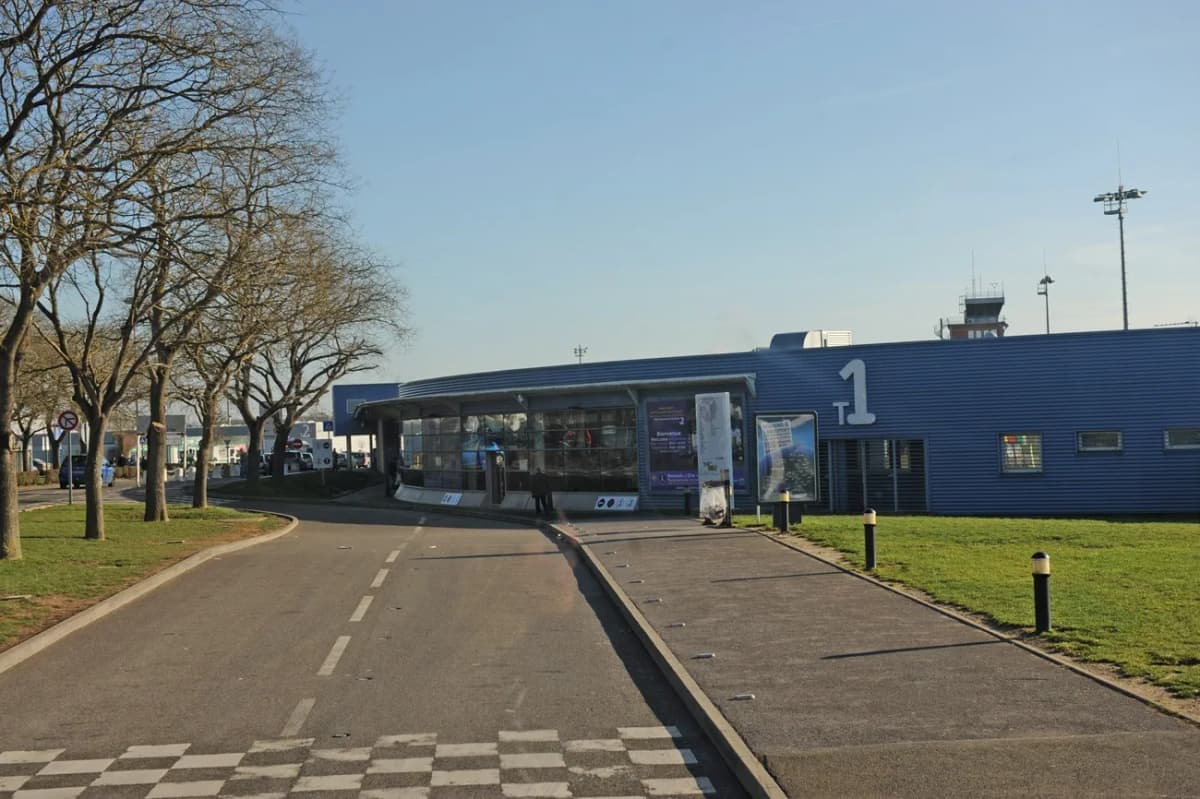
Paris Beauvais–Tillé Airport, often referred to simply as Paris Beauvais, is located approximately 85 kilometres north of central Paris in the Oise department of northern France. While the airport is best known as a base for low cost airlines serving the French capital, it also forms part of the wider aviation infrastructure supporting the Paris region’s air traffic network.
Originally developed in the 1930s and later expanded for military and civilian use, Beauvais today operates as a regional international airport with modern air traffic control systems and a runway capable of accommodating a wide range of aircraft types. Its infrastructure allows operations by turboprops, narrow-body airliners and larger aircraft, giving the airport significant operational flexibility.
Although most private jet flights to Paris use Paris Le Bourget Airport, Beauvais can occasionally be utilised for charter operations, aircraft repositioning flights and diversions when traffic levels at the main Paris airports are high. Its lower traffic density compared with the central Paris airports can sometimes make it a practical alternative for certain aviation movements.
The airport is connected to Paris via major motorway routes, with road transfers to the capital typically taking around 75 to 90 minutes depending on traffic conditions. It also serves as a gateway to the Picardy region of northern France, an area known for historic towns, countryside landscapes and proximity to the English Channel.
As part of the broader aviation network serving the French capital, Paris Beauvais–Tillé Airport provides additional operational capacity for flights operating to and from the Paris region.
Handling Information
Aéroport Paris-Beauvais – Aircraft Handling
Route de l’Aéroport, 60000 Tillé, France
- Runway Length
- 7,900 ft
- Operating Hours
- Upon Request
- On-Site Café
- Available
- Ground Transfers
- Available
Melun Villaroche Aerodrome

Melun Villaroche Aerodrome is a smaller aviation airfield located around 34 kilometres southeast of central Paris, near the town of Moissy-Cramayel in the Seine-et-Marne region. While far less known internationally than Paris Le Bourget Airport, the aerodrome plays an important role in the wider Paris general aviation network, supporting business aviation movements, training flights and specialised aerospace activity.
Historically, Melun Villaroche has strong links to the French aerospace industry. The site has long been associated with Safran Aircraft Engines, one of the world’s leading aircraft engine manufacturers, whose facilities are located adjacent to the airfield. This gives the airport a unique place within France’s aviation ecosystem, combining industrial aerospace activity with general aviation operations.
The aerodrome features two intersecting runways and infrastructure capable of accommodating turboprops, light jets and some midsize business aircraft, making it suitable for certain private jet charter flights to and from the Paris region. Due to its smaller scale and lighter traffic levels, Melun Villaroche can offer a more discreet and relaxed operating environment compared with the larger Paris airports.
Private aviation movements are typically handled through the airport’s general aviation facilities, with ground handling and passenger coordination arranged in advance. While facilities are more limited than those found at major business aviation hubs such as Paris Le Bourget, the airfield can provide efficient access to the southern and southeastern outskirts of the Paris metropolitan area.
Because of its proximity to several major road networks, travellers arriving by private aircraft can reach central Paris in approximately 45 to 60 minutes depending on traffic conditions.
As part of the broader network of airports serving the French capital, Melun Villaroche Aerodrome offers an additional operational option for private aviation flights operating to and from the Paris region.
Handling Information
Elyxan Aviation
Villaroche Activity Center, Melun-Villaroche Aerodrome, Montereau sur le Jard, 77950, France
- Runway Length
- 6,400 ft
- Operating Hours
- Upon Request
- Wi-Fi
- Available
- Ground Transfers
- Available
Paris Châlons Vatry Airport
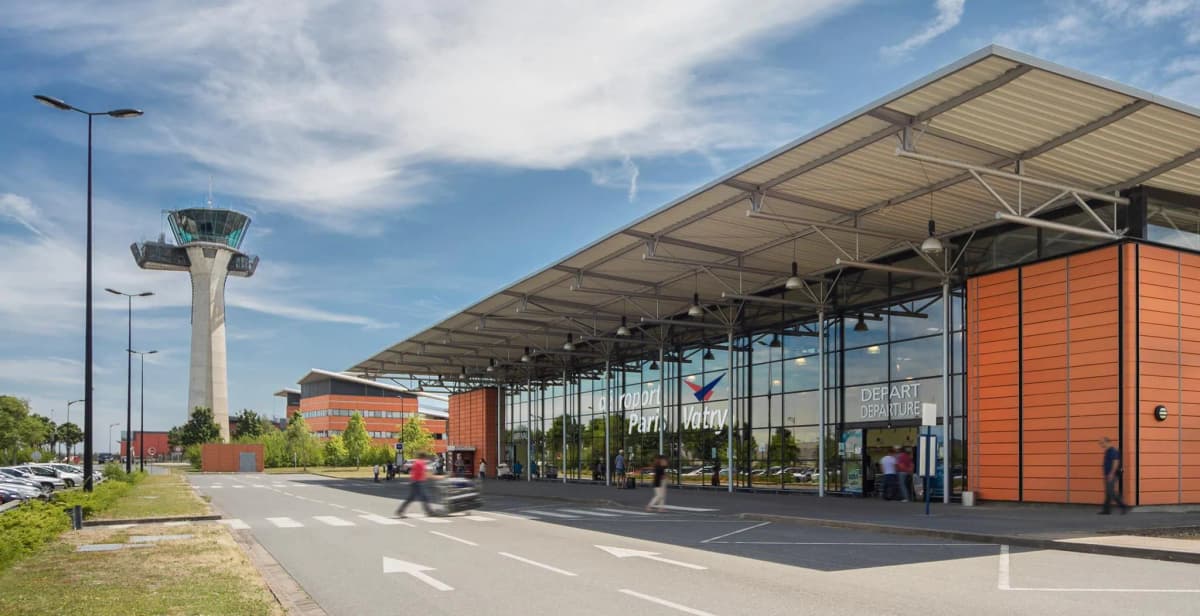
Châlons Vatry Airport, often referred to simply as Vatry Airport, is located approximately 150 kilometres east of Paris in the Champagne region of northeastern France. While primarily known for cargo and regional passenger operations, the airport also forms part of the wider aviation infrastructure supporting flights operating to and from the Paris region.
The airport was originally developed during the 1990s as a major freight hub, which explains one of its most notable operational characteristics: a very long runway capable of accommodating the largest aircraft in service, including wide body cargo and long range passenger aircraft. This substantial infrastructure also allows the airport to support a range of charter and private aviation movements when operational requirements call for it.
Due to its relatively low traffic levels compared with the main Paris airports, Châlons Vatry can provide an alternative operating environment for certain aviation movements. Private aircraft operating here typically benefit from efficient ground handling coordination and straightforward airfield operations, particularly for charter flights serving the surrounding region.
The airport also provides convenient access to the Champagne wine region, with cities such as Reims and Épernay reachable by road in around one hour. These historic towns sit at the centre of one of the world’s most famous wine producing areas, home to renowned Champagne houses and vineyard estates.
Although most private jet flights to Paris use airports closer to the capital, Châlons Vatry Airport offers an additional operational option for aviation movements serving eastern France and the Champagne region.
Handling Information
XCR Handling (Aéroport Paris-Vatry)
Rue Louis Blériot, 51320 Bussy-Lettrée, France
- Runway Length
- 12,600 ft
- Operating Hours
- Upon Request
- On-Site Café
- Available
- Ground Transfers
- Available
Paris Charles de Gaulle International Airport
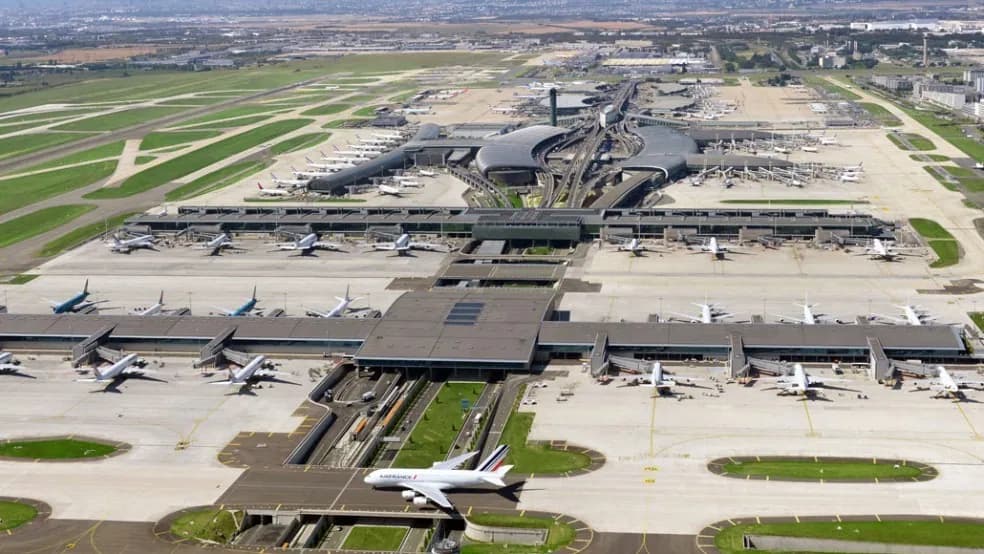
Paris Charles de Gaulle Airport is the largest airport in France and one of the busiest international aviation hubs in Europe. Located approximately 21 kilometres northeast of central Paris, the airport serves as the primary long haul gateway to the French capital and handles tens of millions of passengers each year across its extensive terminal complex.
The airport operates multiple parallel runways and vast aircraft parking infrastructure, allowing it to accommodate everything from regional aircraft to wide body airliners and long range business jets such as the Gulfstream G650, Bombardier Global series and Dassault Falcon aircraft.
Although Charles de Gaulle is primarily designed for large commercial airline operations, the airport can also support private aviation movements, particularly for passengers connecting between private aircraft and scheduled airline services. Business aviation flights are typically handled through dedicated handling providers that coordinate private passenger processing, aircraft parking, fuelling, ground handling and crew services.
Operationally, private jet movements at CDG are generally easier to arrange when passengers are connecting to or from a commercial airline flight, which is one of the reasons the airport is sometimes used for long haul private aviation itineraries involving airline connections. Because of the scale and traffic levels at the airport, business aviation operations here can involve more complex coordination and higher handling costs compared with airports dedicated specifically to private aviation.
For most private jet charter flights to and from Paris, operators prefer Paris Le Bourget Airport, located around 20 minutes away, which is dedicated almost entirely to business aviation operations and allows faster passenger processing and simpler ground handling procedures.
Even so, Charles de Gaulle remains an important component of the aviation infrastructure serving the Paris region and offers additional operational flexibility for private aviation flights requiring access to the main international airport of the French capital.
Handling Information
Signature Aviation Paris Charles de Gaulle
Zone d’Aviation d’Affaires, 95700 Roissy-en-France, France
- Runway Length
- 13,700 ft
- Operating Hours
- 24/7
- Meet And Greet Services
- Available
- Ground Transfers
- Available
Paris Issy-les-Moulineaux Heliport
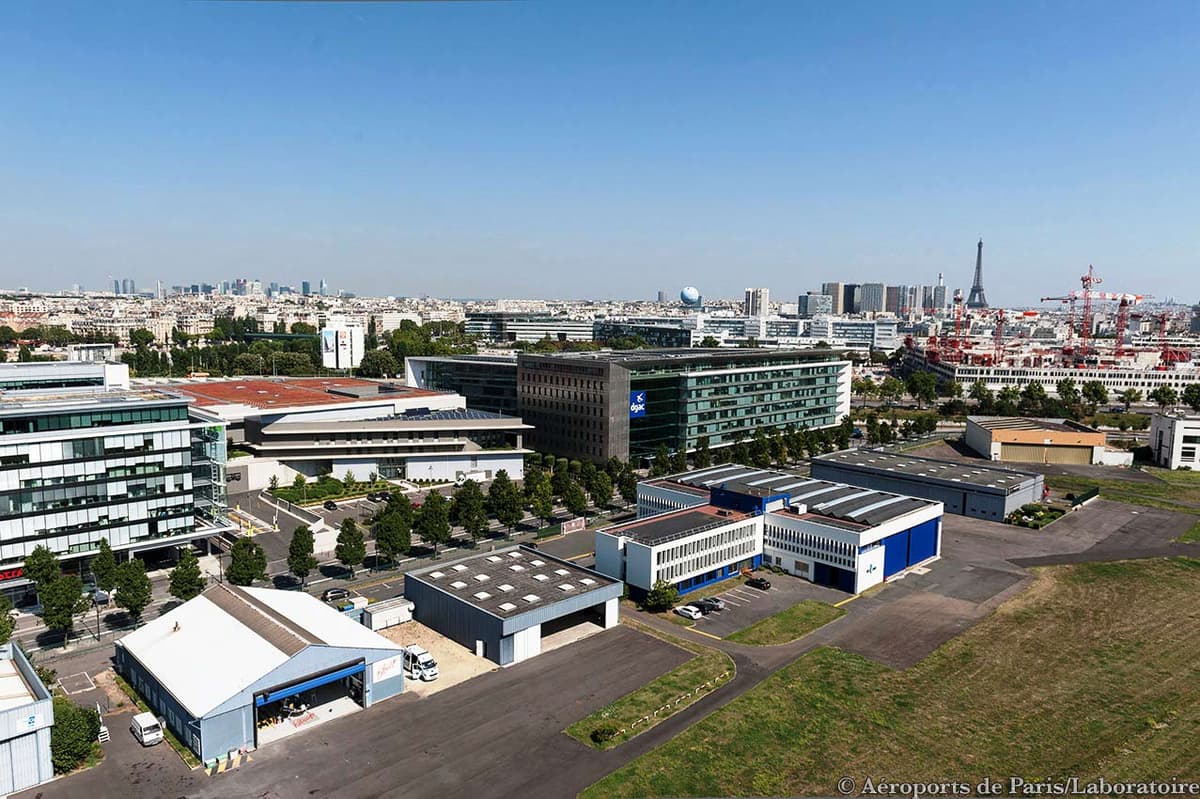
Paris Issy-les-Moulineaux Heliport is the only active heliport located within the Paris metropolitan area and plays an important role in supporting helicopter transfers and specialised aviation operations serving the French capital. Situated on the southwestern edge of central Paris along the Seine, the heliport provides rapid aerial access to the city and surrounding regions.
The heliport is primarily used for helicopter movements including executive transfers, aerial work flights, training operations and connections to nearby airports such as Paris Le Bourget and Paris Charles de Gaulle. For private aviation travellers arriving by private jet charter to Paris, helicopter transfers from the major Paris airports can provide a fast connection into the city during periods of heavy road traffic.
Facilities at the heliport include dedicated helicopter handling services, passenger reception areas and operational support infrastructure required for helicopter movements. Maintenance and technical services for rotary aircraft are also available through specialised aviation operators based on site.
Its location within the city allows passengers arriving by helicopter to reach central Paris districts such as the Eiffel Tower area, the 7th arrondissement and the Left Bank within minutes by ground transfer.
As the only heliport operating inside the Paris city limits, Paris Issy-les-Moulineaux Heliport remains a unique element of the aviation network serving the French capital, supporting helicopter connections and specialised aviation movements across the region.
Handling Information
Paris Issy Héliport Handling
4 Avenue de la Porte de Sèvres, 75015 Paris, France
- Runway Length
- -
- Operating Hours
- Upon Request
- Helicopter Transfers
- Available
- Ground Transfers
- Available
Paris Le Bourget Airport
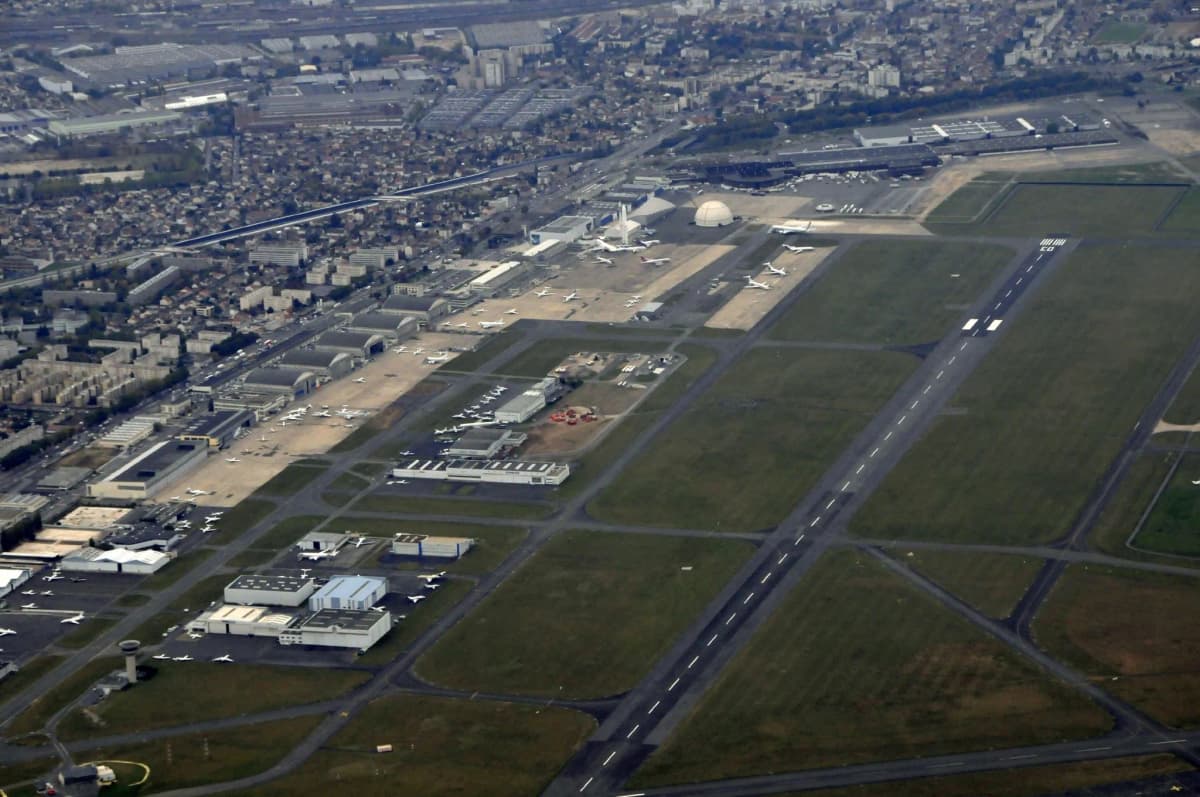
Paris Le Bourget Airport is the primary airport for private jet charter to and from Paris and is widely recognised as the world’s busiest airport dedicated exclusively to business aviation. Located approximately 11 kilometres northeast of central Paris, the airport has been the centre of private aviation activity in the French capital for decades and handles thousands of private jet movements each year.
Unlike the larger commercial airports serving Paris, Le Bourget operates almost entirely for general aviation and private aircraft, making it the preferred arrival point for heads of state, global business leaders, entertainers and high net worth travellers flying private jet charter to Paris.
The airport hosts a large number of business aviation FBO operators, including AstonSky, Signature Aviation, Jetex, Universal Aviation and Sky Valet, all providing specialised services for private jet passengers and crew. Facilities typically include VIP lounges, private meeting rooms, concierge services, aircraft handling, catering coordination and crew support, ensuring efficient operations for aircraft ranging from light jets to long range business jets such as the Gulfstream G650, Bombardier Global series and Dassault Falcon aircraft.
Paris Le Bourget Airport is also globally recognised as the host of the Paris Air Show, the largest aerospace exhibition in the world. In addition to the air show, private aviation traffic increases significantly during major international events such as Paris Fashion Week, Roland-Garros and global political summits, reinforcing the airport’s role as one of the most important private aviation hubs anywhere in the world.
For travellers flying private jet charter to or from Paris, Le Bourget offers one of the most efficient airport experiences in Europe. Direct access to the A1 motorway allows transfers to central Paris in around 25 to 35 minutes, placing passengers within easy reach of the city’s business districts, luxury hotels and historic neighbourhoods.
As the leading airport for business aviation in France and one of the most important private jet airports globally, Paris Le Bourget Airport remains the premier gateway for private jet travel to the French capital.
Handling Information
AstonSky
Terminal Astonsky, Rue de Prague, Zone Aviateurs, 95500 Bonneuil-en-France, France
- Runway Length
- 9,800 ft
- Operating Hours
- 24/7
- FBO Lounge
- Available
- Ground Transfers
- Available
Paris Orly Airport
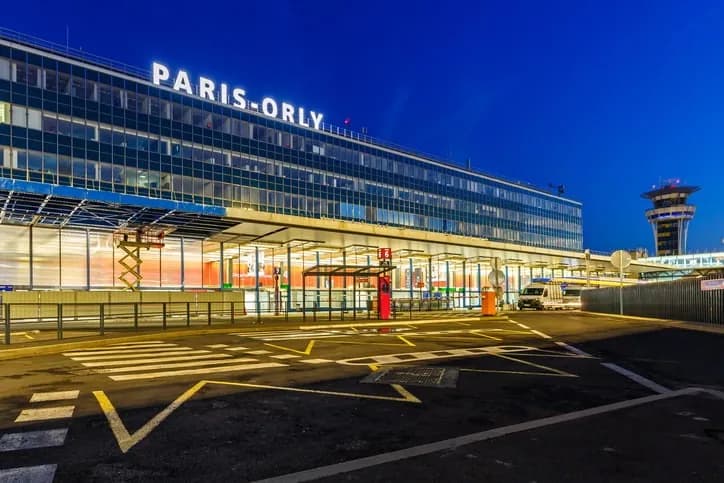
Paris Orly Airport is one of the two major international airports serving the French capital and sits approximately 13 kilometres south of central Paris. While most private jet charter flights to Paris operate through Paris Le Bourget Airport, Orly remains an important part of the capital’s aviation infrastructure and can support private aviation movements alongside its commercial operations.
Originally opened in 1932, Orly served as Paris’s main international airport for many decades before the development of Paris Charles de Gaulle. Today the airport continues to handle significant passenger traffic and remains a key gateway to southern Paris and the surrounding regions.
For private jet travellers, Paris Orly can provide an alternative arrival point depending on aircraft type, routing and operational requirements. Business aviation movements are typically handled through dedicated general aviation handling services, allowing passengers to transition efficiently from aircraft to ground transport without passing through the main passenger terminals.
One of the advantages of arriving at Orly is its proximity to the southern districts of Paris, as well as the nearby Vallée de Chevreuse and Chevreuse Regional Natural Park, an area known for historic châteaux, countryside estates and scenic landscapes located just a short drive from the airport.
The airport is well connected to the capital via major road networks and rail links, with transfers to central Paris typically taking around 25 to 35 minutes depending on traffic conditions.
As part of the broader network of airports serving the French capital, Paris Orly Airport provides additional operational flexibility for flights operating to and from the Paris region, complementing the private aviation hub at Paris Le Bourget.
Handling Information
Sky Valet Paris Orly
Aéroport de Paris Orly, 94390 Orly, France
- Runway Length
- 11,900 ft
- Operating Hours
- 24/7
- Wi-Fi
- Available
- Ground Transfers
- Available
Paris Pontoise Cormeilles Airport
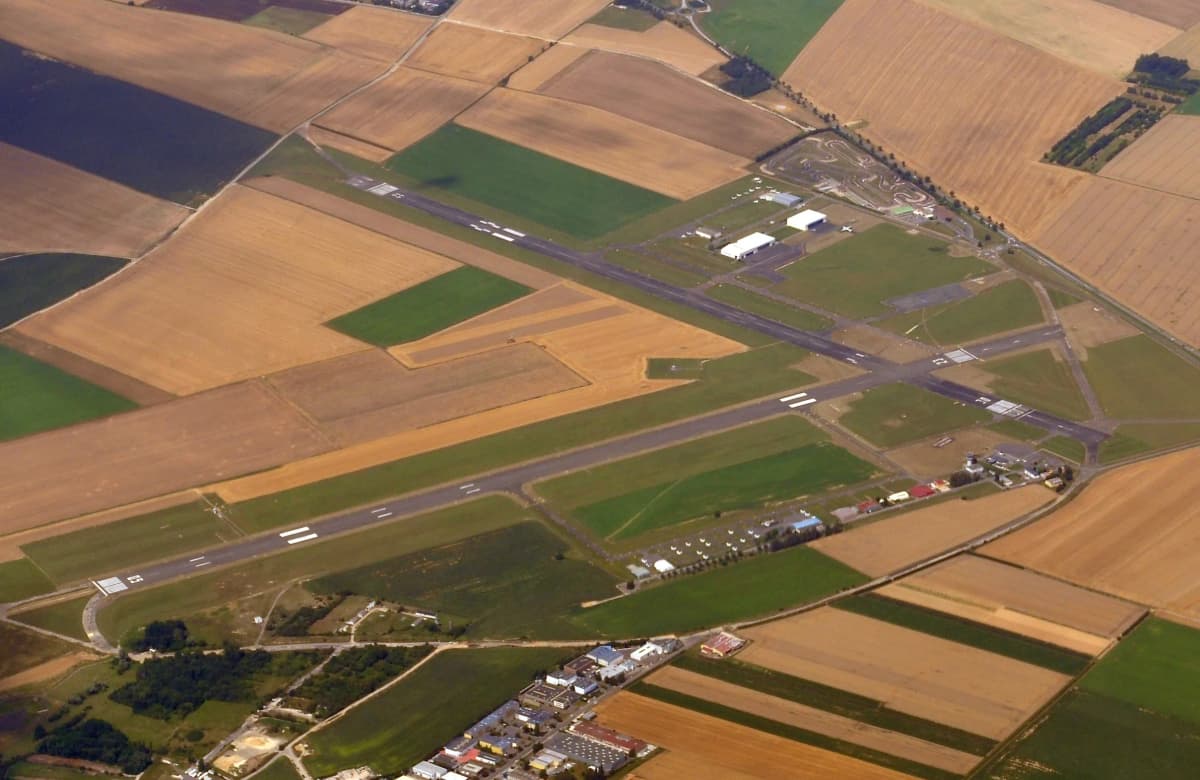
Pontoise – Cormeilles Airport, officially known as Aéroport de Pontoise – Cormeilles-en-Vexin, is a general aviation airfield located approximately 35 kilometres northwest of central Paris in the Val-d’Oise department. While smaller than the major airports serving the French capital, it plays an important role within the wider Paris general aviation network, supporting private aviation, training flights and specialised aerial operations.
The airfield was originally developed during the 1930s for military aviation before later transitioning to civilian use. Today it operates primarily as a general aviation airport, providing an alternative operational base for aircraft movements serving the western side of the Paris metropolitan region.
Pontoise Airport features a paved runway capable of accommodating turboprops, light jets and certain midsize business aircraft, making it suitable for some private jet charter operations to and from the Paris area. Due to its smaller scale and lower traffic levels compared with the larger Paris airports, the airfield can offer a quieter operating environment for certain aviation movements.
Private aircraft operating into Pontoise benefit from general aviation handling services and dedicated operational support, with flights typically arranged in advance to ensure smooth coordination on arrival and departure.
The airport’s position northwest of the capital provides convenient access to areas such as La Défense, the western Paris suburbs and the Normandy corridor, while central Paris can typically be reached in around 45 to 60 minutes by road depending on traffic conditions.
As part of the broader network of airports surrounding the French capital, Pontoise – Cormeilles Airport provides an additional operational option for general aviation and selected private jet flights to and from the Paris region.
Handling Information
AMERIDAIR Handling
Pontoise-Cormeilles Aerodrome, Cormeilles-en-Vexin, Pontoise, 95830, France
- Runway Length
- 5,500 ft
- Operating Hours
- 24/7
- Helicopter Transfers
- Available
- Ground Transfers
- Available
Catania–Fontanarossa Airport
Catania–Fontanarossa Airport is the primary aviation gateway for private jet charter flights to and from eastern Sicily. Located just 4 kilometres south of the historic centre of Catania, the airport provides exceptionally quick access to the city while also serving many of Sicily’s most sought-after destinations including Taormina, Syracuse and Mount Etna.
As Sicily’s busiest airport and the second largest on the island, Catania–Fontanarossa plays a central role in both commercial aviation and private jet operations. Its long runway and modern infrastructure allow it to accommodate a wide range of aircraft types, from turboprops and light jets through to large cabin business jets operating flights across Europe and the wider Mediterranean.
One of the airport’s defining geographic features is its proximity to Mount Etna, Europe’s largest active volcano. The volcano sits roughly 30 kilometres to the north of the airport and can occasionally influence aviation operations when volcanic ash activity increases. However, the airport is well accustomed to these conditions and has established procedures that allow aircraft operations to continue safely whenever possible.
For private jet travellers, Catania Airport offers dedicated business aviation handling facilities, including VIP lounges, fast-track passenger processing and direct apron access. These services allow passengers to move quickly from aircraft to ground transportation without passing through the main commercial terminal, making arrivals and departures efficient even during busy travel periods.
Catania’s location also makes it one of the most convenient entry points for exploring eastern Sicily. The dramatic cliffs and beaches around Taormina lie just over an hour away by road, while the ancient Greek and Roman heritage of Syracuse sits further south along the coast. Meanwhile the volcanic slopes of Mount Etna offer wineries, hiking routes and panoramic views across the island.
For travellers arriving by private jet charter, Catania–Fontanarossa Airport provides one of the most efficient and strategically positioned aviation gateways in Sicily, combining strong infrastructure, reliable operations and direct access to some of the island’s most remarkable destinations.
Handling Information
Fly Service
Via Fontanarossa, Catania, I-95121, Italy
- Runway Length
- 8,000 ft
- Operating Hours
- 24/7
- Helicopter Transfers
- Available
- Ground Transfers
- Available
Comiso Airport
Comiso Airport (IATA: CIY, ICAO: LICB), also known as Vincenzo Magliocco Airport, provides a convenient gateway for private jet charter flights to and from southeastern Sicily. The airport is located near the town of Comiso in the province of Ragusa and offers direct access to one of the island’s most distinctive regions.
Originally developed as a military air base and later converted for civil aviation, Comiso Airport benefits from a long runway and modern infrastructure capable of accommodating a wide range of aircraft, from turboprops and light jets through to midsize and larger business jets operating regional flights across Europe and the Mediterranean.
The airport sits approximately 5 kilometres from Comiso and around 15 kilometres from the historic city of Ragusa, making it one of the closest aviation gateways for travellers exploring Sicily’s southeastern Baroque towns. Destinations such as Modica, Scicli and Noto, all part of the UNESCO-listed Val di Noto region, can be reached easily by road from the airport.
Compared with Sicily’s larger airports, Comiso often provides a quieter operating environment for private aviation, allowing aircraft movements and passenger transfers to take place efficiently. Dedicated ground handling services and straightforward passenger processing help ensure private jet travellers can move quickly from aircraft to ground transportation.
For travellers arriving by private jet charter, Comiso Airport offers an efficient entry point to southeastern Sicily, providing access to historic towns, coastal landscapes and the cultural heritage that defines the province of Ragusa.
Handling Information
Aviapartner Italy S.p.A.
Aeroporto di Comiso “Pio La Torre”, SP5, 97013 Comiso, Ragusa, Italy
- Runway Length
- 8,300 ft
- Operating Hours
- 24/7
- Wi-Fi
- Available
- Ground Transfers
- Available
Falcone Borsellino Palermo Airport
Falcone Borsellino Airport (IATA: PMO, ICAO: LICJ) is the primary airport serving Palermo and one of the key gateways for private jet charter flights to and from northern Sicily. The airport is located at Punta Raisi on the Tyrrhenian coast, approximately 35 kilometres west of central Palermo, with transfer times typically 35–40 minutes in light traffic.
Palermo Airport operates a 3,300-metre runway, allowing it to accommodate the full spectrum of business aviation aircraft, from turboprops and light jets through to large cabin and long-range private jets arriving from across Europe and the Mediterranean. Dedicated ground handling and private aviation services allow passengers to move quickly from aircraft to ground transportation with minimal time spent inside the main terminal.
From an operational perspective, Palermo is often considered one of the more flexible airports in Sicily for private jet operations, particularly during the peak summer months when traffic at other Sicilian airports can become more concentrated. The airport’s runway capability and apron infrastructure allow it to support a wide range of business aviation movements throughout the year.
The airport’s coastal position also makes it a convenient entry point for destinations along Sicily’s northern shoreline. From Palermo, travellers can easily reach Cefalù, Castellammare del Golfo and the Zingaro Nature Reserve, as well as the historic centre of Palermo itself.
For travellers arriving by private jet charter, Palermo Falcone Borsellino Airport provides a reliable aviation gateway to northern Sicily, combining strong runway capability, established handling infrastructure and efficient access to the island’s cultural and coastal highlights.
Handling Information
Fly Service
Falcone Borsellino Palermo Airport, Puntaraisi-Cinisi, Palermo, I-90045, Italy
- Runway Length
- 10,900 ft
- Operating Hours
- 24/7
- Helicopter Transfers
- Available
- Ground Transfers
- Available
Lampedusa Airport
Lampedusa Airport (IATA: LMP, ICAO: LICD), also known as Aeroporto di Lampedusa, is the primary aviation gateway to the island of Lampedusa, the largest of the Pelagie Islands and the southernmost territory of Italy. Located roughly midway between Sicily and the North African coast, the airport serves as the only airport on the island capable of handling private and charter flights to Lampedusa.
The airport operates a single runway designated 12/30 measuring approximately 1,800 metres (around 6,400 feet). This allows the airport to accommodate turboprops, very light jets and a number of light and midsize business jets operating regional flights across southern Europe and the Mediterranean. Due to the island’s size and infrastructure, operations are more limited than at Sicily’s larger airports, and aircraft performance requirements must be considered carefully.
Passenger facilities at Lampedusa Airport are modest compared with mainland airports, reflecting the island’s small scale. The terminal includes essential services such as a café, small retail outlets and basic passenger amenities. Despite its size, the airport plays a vital role in connecting the island with the rest of Italy and supporting seasonal tourism.
Private jet movements to Lampedusa typically increase during the summer season when visitors arrive to experience the island’s renowned beaches and marine reserves, including the famous Spiaggia dei Conigli (Rabbit Beach), often regarded as one of the most beautiful beaches in the Mediterranean.
For travellers arriving by private jet charter, Lampedusa Airport provides a rare and direct aviation gateway to one of the Mediterranean’s most remote island destinations, offering access to crystal-clear waters, protected nature reserves and the distinctive atmosphere of Italy’s southernmost island.
Handling Information
Aviation Services S.p.A.
Aeroporto di Lampedusa, Contrada Cala Pisana, 92010 Lampedusa, Agrigento, Italy
- Runway Length
- 6,400 ft
- Operating Hours
- 04:00 - 20:00
- On-Site Café
- Available
- Ground Transfers
- Available
Pantelleria Airport
Pantelleria Airport (IATA: PNL, ICAO: LICG) serves as the main aviation gateway to the volcanic island of Pantelleria, located in the Strait of Sicily between mainland Italy and Tunisia. The airport supports private jet charter flights to and from Pantelleria, providing direct access to one of the Mediterranean’s most unique and secluded island destinations.
Pantelleria Airport operates a single runway of approximately 1,600 metres, allowing it to accommodate turboprops, very light jets and a number of light and midsize business jets operating regional flights across Italy and southern Europe. Due to the island’s size and location, aircraft performance requirements and weather conditions are important operational considerations when planning flights into Pantelleria.
The airport is located approximately 5 kilometres from Pantelleria town, making transfers to the island’s villages, coastline and resorts quick and convenient. From the airport, visitors can easily reach the island’s distinctive lava-stone dammusi houses, natural thermal springs and rugged volcanic coastline, which have made Pantelleria an increasingly popular retreat for travellers seeking privacy and dramatic Mediterranean scenery.
Pantelleria Airport is relatively small but provides the essential services required for visiting aircraft, including ground handling, passenger processing and apron access for private aviation. During the summer months the airport sees increased activity as travellers arrive to enjoy the island’s secluded beaches, vineyards and natural hot springs.
For travellers arriving by private jet charter, Pantelleria Airport offers a direct and efficient gateway to one of the Mediterranean’s most distinctive island landscapes, combining dramatic volcanic scenery with the quiet exclusivity that defines Pantelleria.
Handling Information
Aviation Services S.p.A.
Aeroporto di Pantelleria, Contrada Margana, 91017 Pantelleria, Trapani, Italy
- Runway Length
- 5,400 ft
- Operating Hours
- 24/7
- Wi-Fi
- Available
- Ground Transfers
- Available
Vincenzo Florio Trapani Airport
Trapani–Birgi Airport (IATA: TPS, ICAO: LICT) is one of Sicily’s most strategically positioned airports for private jet charter flights to and from western Sicily. Located approximately 15 kilometres south of the historic city of Trapani, the airport provides convenient access to some of the island’s most distinctive coastal landscapes and cultural destinations.
Trapani Airport operates a long runway capable of accommodating a wide range of aircraft, from turboprops and light jets through to midsize and large cabin business jets operating flights across Europe and the Mediterranean. The airport shares infrastructure with an Italian Air Force base, which has historically resulted in strong runway capability and reliable operational support for visiting aircraft.
For private jet travellers, the airport offers dedicated ground handling services and streamlined passenger processing, allowing arrivals and departures to take place efficiently without the congestion often experienced at larger commercial hubs. Because Trapani generally handles lower passenger volumes than Sicily’s major airports, private aviation movements can often benefit from greater operational flexibility and apron availability.
The airport’s location makes it an excellent entry point for exploring western Sicily. From Trapani, travellers can reach the hilltop town of Erice, the historic salt flats of the Trapani and Marsala coast, and the vineyards that produce the region’s famous Marsala wines. The nearby Egadi Islands, including Favignana and Levanzo, are also easily accessible by boat or helicopter from the Trapani area.
For travellers arriving by private jet charter, Trapani Birgi Airport offers a well-positioned gateway to western Sicily, combining strong runway capability, efficient aviation infrastructure and quick access to one of the island’s most scenic regions.
Handling Information
Fly Services SRL
Vincenzo Florio Airport, Trapani, 91020, Italy
- Runway Length
- 8,800 ft
- Operating Hours
- 24/7
- Helicopter Transfers
- Available
- Ground Transfers
- Available
Catania–Fontanarossa Airport
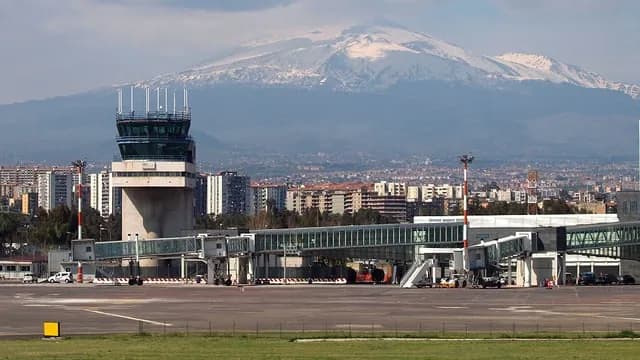
Catania–Fontanarossa Airport is the primary aviation gateway for private jet charter flights to and from eastern Sicily. Located just 4 kilometres south of the historic centre of Catania, the airport provides exceptionally quick access to the city while also serving many of Sicily’s most sought-after destinations including Taormina, Syracuse and Mount Etna.
As Sicily’s busiest airport and the second largest on the island, Catania–Fontanarossa plays a central role in both commercial aviation and private jet operations. Its long runway and modern infrastructure allow it to accommodate a wide range of aircraft types, from turboprops and light jets through to large cabin business jets operating flights across Europe and the wider Mediterranean.
One of the airport’s defining geographic features is its proximity to Mount Etna, Europe’s largest active volcano. The volcano sits roughly 30 kilometres to the north of the airport and can occasionally influence aviation operations when volcanic ash activity increases. However, the airport is well accustomed to these conditions and has established procedures that allow aircraft operations to continue safely whenever possible.
For private jet travellers, Catania Airport offers dedicated business aviation handling facilities, including VIP lounges, fast-track passenger processing and direct apron access. These services allow passengers to move quickly from aircraft to ground transportation without passing through the main commercial terminal, making arrivals and departures efficient even during busy travel periods.
Catania’s location also makes it one of the most convenient entry points for exploring eastern Sicily. The dramatic cliffs and beaches around Taormina lie just over an hour away by road, while the ancient Greek and Roman heritage of Syracuse sits further south along the coast. Meanwhile the volcanic slopes of Mount Etna offer wineries, hiking routes and panoramic views across the island.
For travellers arriving by private jet charter, Catania–Fontanarossa Airport provides one of the most efficient and strategically positioned aviation gateways in Sicily, combining strong infrastructure, reliable operations and direct access to some of the island’s most remarkable destinations.
Handling Information
Fly Service
Via Fontanarossa, Catania, I-95121, Italy
- Runway Length
- 8,000 ft
- Operating Hours
- 24/7
- Helicopter Transfers
- Available
- Ground Transfers
- Available
Comiso Airport
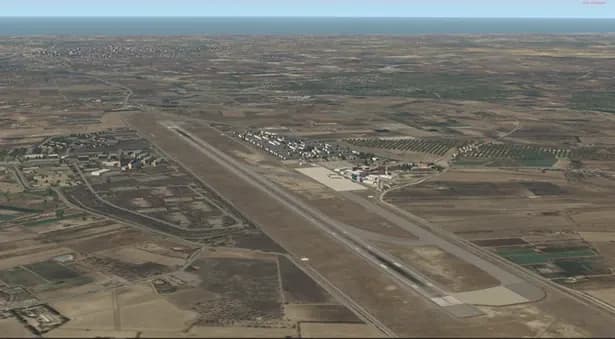
Comiso Airport (IATA: CIY, ICAO: LICB), also known as Vincenzo Magliocco Airport, provides a convenient gateway for private jet charter flights to and from southeastern Sicily. The airport is located near the town of Comiso in the province of Ragusa and offers direct access to one of the island’s most distinctive regions.
Originally developed as a military air base and later converted for civil aviation, Comiso Airport benefits from a long runway and modern infrastructure capable of accommodating a wide range of aircraft, from turboprops and light jets through to midsize and larger business jets operating regional flights across Europe and the Mediterranean.
The airport sits approximately 5 kilometres from Comiso and around 15 kilometres from the historic city of Ragusa, making it one of the closest aviation gateways for travellers exploring Sicily’s southeastern Baroque towns. Destinations such as Modica, Scicli and Noto, all part of the UNESCO-listed Val di Noto region, can be reached easily by road from the airport.
Compared with Sicily’s larger airports, Comiso often provides a quieter operating environment for private aviation, allowing aircraft movements and passenger transfers to take place efficiently. Dedicated ground handling services and straightforward passenger processing help ensure private jet travellers can move quickly from aircraft to ground transportation.
For travellers arriving by private jet charter, Comiso Airport offers an efficient entry point to southeastern Sicily, providing access to historic towns, coastal landscapes and the cultural heritage that defines the province of Ragusa.
Handling Information
Aviapartner Italy S.p.A.
Aeroporto di Comiso “Pio La Torre”, SP5, 97013 Comiso, Ragusa, Italy
- Runway Length
- 8,300 ft
- Operating Hours
- 24/7
- Wi-Fi
- Available
- Ground Transfers
- Available
Falcone Borsellino Palermo Airport
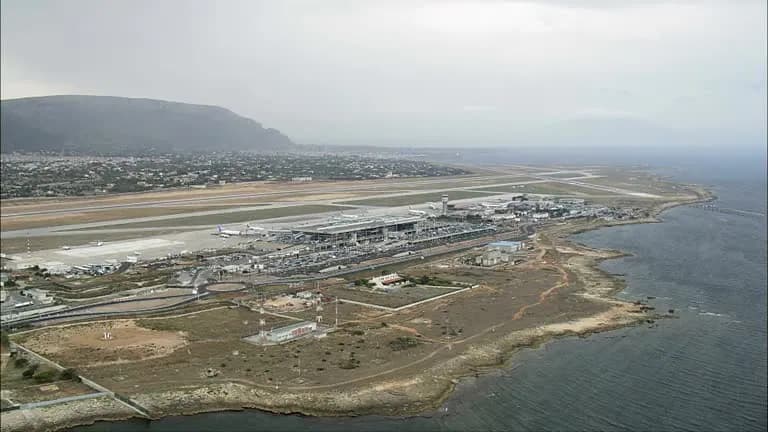
Falcone Borsellino Airport (IATA: PMO, ICAO: LICJ) is the primary airport serving Palermo and one of the key gateways for private jet charter flights to and from northern Sicily. The airport is located at Punta Raisi on the Tyrrhenian coast, approximately 35 kilometres west of central Palermo, with transfer times typically 35–40 minutes in light traffic.
Palermo Airport operates a 3,300-metre runway, allowing it to accommodate the full spectrum of business aviation aircraft, from turboprops and light jets through to large cabin and long-range private jets arriving from across Europe and the Mediterranean. Dedicated ground handling and private aviation services allow passengers to move quickly from aircraft to ground transportation with minimal time spent inside the main terminal.
From an operational perspective, Palermo is often considered one of the more flexible airports in Sicily for private jet operations, particularly during the peak summer months when traffic at other Sicilian airports can become more concentrated. The airport’s runway capability and apron infrastructure allow it to support a wide range of business aviation movements throughout the year.
The airport’s coastal position also makes it a convenient entry point for destinations along Sicily’s northern shoreline. From Palermo, travellers can easily reach Cefalù, Castellammare del Golfo and the Zingaro Nature Reserve, as well as the historic centre of Palermo itself.
For travellers arriving by private jet charter, Palermo Falcone Borsellino Airport provides a reliable aviation gateway to northern Sicily, combining strong runway capability, established handling infrastructure and efficient access to the island’s cultural and coastal highlights.
Handling Information
Fly Service
Falcone Borsellino Palermo Airport, Puntaraisi-Cinisi, Palermo, I-90045, Italy
- Runway Length
- 10,900 ft
- Operating Hours
- 24/7
- Helicopter Transfers
- Available
- Ground Transfers
- Available
Lampedusa Airport
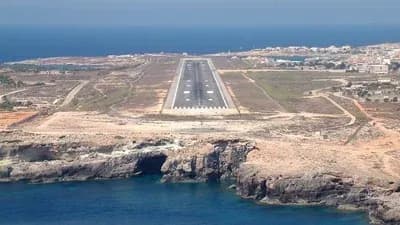
Lampedusa Airport (IATA: LMP, ICAO: LICD), also known as Aeroporto di Lampedusa, is the primary aviation gateway to the island of Lampedusa, the largest of the Pelagie Islands and the southernmost territory of Italy. Located roughly midway between Sicily and the North African coast, the airport serves as the only airport on the island capable of handling private and charter flights to Lampedusa.
The airport operates a single runway designated 12/30 measuring approximately 1,800 metres (around 6,400 feet). This allows the airport to accommodate turboprops, very light jets and a number of light and midsize business jets operating regional flights across southern Europe and the Mediterranean. Due to the island’s size and infrastructure, operations are more limited than at Sicily’s larger airports, and aircraft performance requirements must be considered carefully.
Passenger facilities at Lampedusa Airport are modest compared with mainland airports, reflecting the island’s small scale. The terminal includes essential services such as a café, small retail outlets and basic passenger amenities. Despite its size, the airport plays a vital role in connecting the island with the rest of Italy and supporting seasonal tourism.
Private jet movements to Lampedusa typically increase during the summer season when visitors arrive to experience the island’s renowned beaches and marine reserves, including the famous Spiaggia dei Conigli (Rabbit Beach), often regarded as one of the most beautiful beaches in the Mediterranean.
For travellers arriving by private jet charter, Lampedusa Airport provides a rare and direct aviation gateway to one of the Mediterranean’s most remote island destinations, offering access to crystal-clear waters, protected nature reserves and the distinctive atmosphere of Italy’s southernmost island.
Handling Information
Aviation Services S.p.A.
Aeroporto di Lampedusa, Contrada Cala Pisana, 92010 Lampedusa, Agrigento, Italy
- Runway Length
- 6,400 ft
- Operating Hours
- 04:00 - 20:00
- On-Site Café
- Available
- Ground Transfers
- Available
Pantelleria Airport
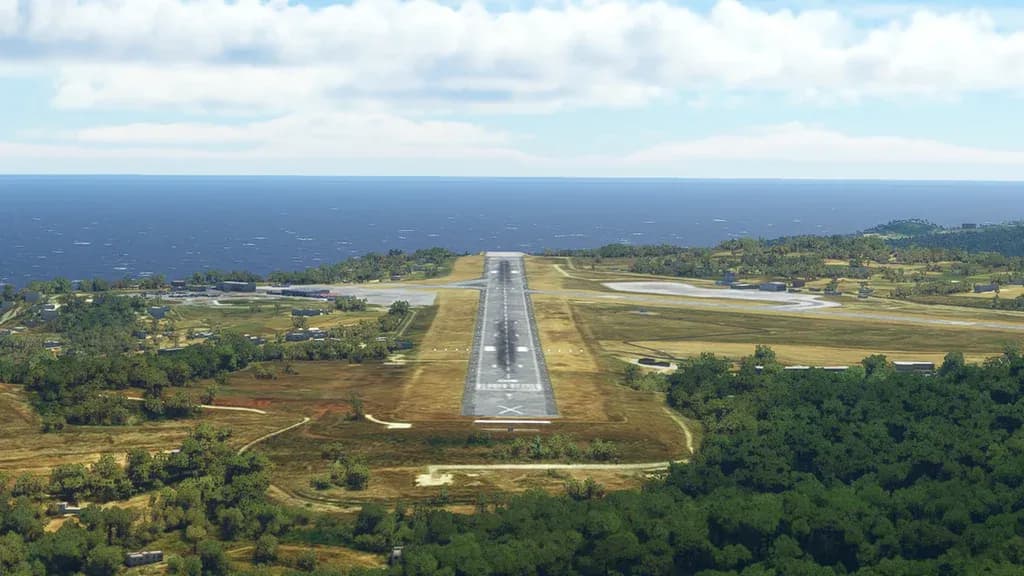
Pantelleria Airport (IATA: PNL, ICAO: LICG) serves as the main aviation gateway to the volcanic island of Pantelleria, located in the Strait of Sicily between mainland Italy and Tunisia. The airport supports private jet charter flights to and from Pantelleria, providing direct access to one of the Mediterranean’s most unique and secluded island destinations.
Pantelleria Airport operates a single runway of approximately 1,600 metres, allowing it to accommodate turboprops, very light jets and a number of light and midsize business jets operating regional flights across Italy and southern Europe. Due to the island’s size and location, aircraft performance requirements and weather conditions are important operational considerations when planning flights into Pantelleria.
The airport is located approximately 5 kilometres from Pantelleria town, making transfers to the island’s villages, coastline and resorts quick and convenient. From the airport, visitors can easily reach the island’s distinctive lava-stone dammusi houses, natural thermal springs and rugged volcanic coastline, which have made Pantelleria an increasingly popular retreat for travellers seeking privacy and dramatic Mediterranean scenery.
Pantelleria Airport is relatively small but provides the essential services required for visiting aircraft, including ground handling, passenger processing and apron access for private aviation. During the summer months the airport sees increased activity as travellers arrive to enjoy the island’s secluded beaches, vineyards and natural hot springs.
For travellers arriving by private jet charter, Pantelleria Airport offers a direct and efficient gateway to one of the Mediterranean’s most distinctive island landscapes, combining dramatic volcanic scenery with the quiet exclusivity that defines Pantelleria.
Handling Information
Aviation Services S.p.A.
Aeroporto di Pantelleria, Contrada Margana, 91017 Pantelleria, Trapani, Italy
- Runway Length
- 5,400 ft
- Operating Hours
- 24/7
- Wi-Fi
- Available
- Ground Transfers
- Available
Vincenzo Florio Trapani Airport
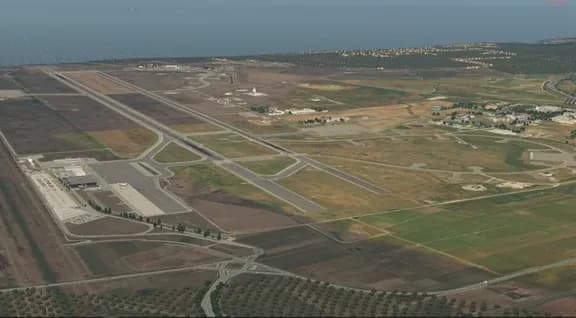
Trapani–Birgi Airport (IATA: TPS, ICAO: LICT) is one of Sicily’s most strategically positioned airports for private jet charter flights to and from western Sicily. Located approximately 15 kilometres south of the historic city of Trapani, the airport provides convenient access to some of the island’s most distinctive coastal landscapes and cultural destinations.
Trapani Airport operates a long runway capable of accommodating a wide range of aircraft, from turboprops and light jets through to midsize and large cabin business jets operating flights across Europe and the Mediterranean. The airport shares infrastructure with an Italian Air Force base, which has historically resulted in strong runway capability and reliable operational support for visiting aircraft.
For private jet travellers, the airport offers dedicated ground handling services and streamlined passenger processing, allowing arrivals and departures to take place efficiently without the congestion often experienced at larger commercial hubs. Because Trapani generally handles lower passenger volumes than Sicily’s major airports, private aviation movements can often benefit from greater operational flexibility and apron availability.
The airport’s location makes it an excellent entry point for exploring western Sicily. From Trapani, travellers can reach the hilltop town of Erice, the historic salt flats of the Trapani and Marsala coast, and the vineyards that produce the region’s famous Marsala wines. The nearby Egadi Islands, including Favignana and Levanzo, are also easily accessible by boat or helicopter from the Trapani area.
For travellers arriving by private jet charter, Trapani Birgi Airport offers a well-positioned gateway to western Sicily, combining strong runway capability, efficient aviation infrastructure and quick access to one of the island’s most scenic regions.
Handling Information
Fly Services SRL
Vincenzo Florio Airport, Trapani, 91020, Italy
- Runway Length
- 8,800 ft
- Operating Hours
- 24/7
- Helicopter Transfers
- Available
- Ground Transfers
- Available
Frequently Asked Questions
The BLAK team answers the most common questions and covers the essentials for those thinking about flying to and from Sicily.
Can volcanic activity from Mount Etna affect private jet flights to Sicily?
Yes. Mount Etna is Europe’s most active volcano and periodic ash emissions can affect flight operations at Catania–Fontanarossa Airport. When ash clouds drift across eastern Sicily, authorities may temporarily restrict arrivals or departures. In those cases private jet operators often reposition flights to Falcone Borsellino Airport on the west coast where conditions remain unaffected.
Which airport is best for visiting Taormina by private jet?
The closest airport to Taormina is Catania–Fontanarossa Airport, located about one hour away by car along Sicily’s eastern coastline. Because of this proximity, most private jet travellers heading to Taormina or Mount Etna choose to arrive through Catania.
Are helicopter transfers common in Sicily?
Helicopters are often used to reach more remote destinations such as luxury villas, offshore yachts or the Aeolian Islands north of Sicily. These transfers allow travellers to avoid longer road journeys across the island.
Can private jets fly directly to Sicily’s smaller islands like the Aeolian Islands or Favignana?
Most of Sicily’s surrounding islands do not have runways capable of supporting business jets. The Aeolian Islands, Favignana and Panarea are typically accessed after arriving at Catania–Fontanarossa Airport or Falcone Borsellino Airport, both of which offer full infrastructure for private jet operations. From there travellers continue by helicopter, private yacht or high-speed ferry, with helicopter transfers to islands such as Lipari, Panarea and Stromboli typically taking around 30 to 50 minutes depending on routing and weather conditions.